
Benefits of Flex PCB
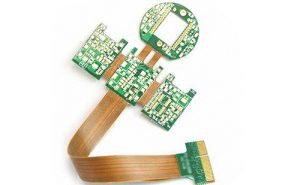
Flex PCBs, or flexible printed circuit boards, have become increasingly popular in the electronics industry due to their ability to bend and twist without breaking.
This flexibility allows for more compact and lightweight designs, making them ideal for applications where space is limited.
In contrast, rigid flex PCBs combine the benefits of both rigid and flexible PCBs, offering a more robust solution for complex electronic devices.
One of the main advantages of flex PCBs is their ability to conform to irregular shapes, making them ideal for applications where traditional rigid PCBs would be too bulky or impractical. This flexibility also allows for easier installation in tight spaces, reducing the overall size and weight of the device.
Additionally, flex PCBs are more resistant to vibration and shock, making them ideal for applications in harsh environments.
Another benefit of flex PCBs is their ability to reduce the number of interconnects required in a design.
By eliminating the need for bulky connectors and cables, flex PCBs can help reduce assembly time and costs.
This also results in a more reliable connection, as there are fewer points of failure in the design.
On the other hand, rigid flex PCBs offer the best of both worlds by combining the flexibility of a flex PCB with the durability of a rigid PCB.
This hybrid design allows for more complex layouts and higher component density, making them ideal for applications where space is limited.
Rigid flex PCBs also offer better signal integrity and impedance control, resulting in improved performance and reliability.
However, rigid flex PCBs are more expensive to manufacture than traditional flex PCBs, due to the additional processes required to combine the rigid and flexible layers. This can make them less cost-effective for low-volume production runs.
Additionally, rigid flex PCBs are more difficult to repair or modify, as the rigid sections cannot be easily bent or flexed.
In conclusion, both flex PCBs and rigid flex PCBs offer unique advantages and disadvantages depending on the specific requirements of the application.
Flex PCBs are ideal for applications where flexibility and space-saving are key considerations, while rigid flex PCBs offer a more robust solution for complex designs.
Ultimately, the choice between the two will depend on factors such as cost, performance, and ease of assembly.
Overall, the benefits of flex PCBs include their flexibility, compact size, and resistance to vibration and shock.
On the other hand, rigid flex PCBs offer a more robust solution for complex designs, with better signal integrity and impedance control.
By understanding the pros and cons of each type of PCB, designers can make informed decisions when selecting the best solution for their specific application.