
Flex PCB vs Rigid Flex PCB: Ensuring Reliability and Durability
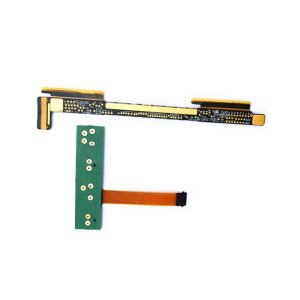
Flex PCBs and rigid flex PCBs are two popular choices in the world of printed circuit boards (PCBs).
Both options offer unique advantages and disadvantages, making it essential for designers and manufacturers to understand the differences between the two to ensure reliability and durability in their electronic devices.
Flex PCBs, also known as flexible PCBs, are designed to be flexible and bendable, making them ideal for applications where space is limited or where the PCB needs to conform to a specific shape.
These PCBs are made of a flexible substrate material, such as polyimide, that allows them to bend and twist without breaking.
Flex PCBs are commonly used in applications such as wearable devices, medical devices, and automotive electronics.
On the other hand, rigid flex PCBs combine the flexibility of a flex PCB with the rigidity of a traditional rigid PCB.
These PCBs consist of multiple layers of flexible and rigid materials that are interconnected to create a single, integrated PCB.
Rigid flex PCBs are ideal for applications where both flexibility and rigidity are required, such as in aerospace, military, and industrial applications.
When it comes to reliability and durability, both flex PCBs and rigid flex PCBs have their strengths and weaknesses.
Flex PCBs are more prone to damage from bending and twisting, which can lead to issues such as broken traces or solder joints.
However, flex PCBs are also less susceptible to vibration and shock, making them ideal for applications where the PCB may be subjected to these types of stresses.
Rigid flex PCBs, on the other hand, offer the best of both worlds when it comes to reliability and durability.
The rigid sections of the PCB provide stability and support for components, while the flexible sections allow the PCB to bend and twist without compromising performance.
This combination of flexibility and rigidity makes rigid flex PCBs highly reliable and durable, even in harsh environments.
When choosing between flex PCBs and rigid flex PCBs, designers and manufacturers must consider the specific requirements of their application.
If flexibility is the primary concern, a flex PCB may be the best option. However, if a balance of flexibility and rigidity is needed, a rigid flex PCB may be the better choice.
In addition to considering the flexibility and rigidity of the PCB, designers and manufacturers must also take into account other factors that can affect reliability and durability. These factors include the materials used in the PCB, the design of the PCB, and the manufacturing process. Choosing high-quality materials, designing the PCB with proper spacing and trace routing, and using advanced manufacturing techniques can all help ensure the reliability and durability of the PCB.
In conclusion, both flex PCBs and rigid flex PCBs have their advantages and disadvantages when it comes to reliability and durability. Flex PCBs are ideal for applications where flexibility is the primary concern, while rigid flex PCBs offer a balance of flexibility and rigidity that makes them highly reliable and durable. By understanding the differences between the two options and considering the specific requirements of their application, designers and manufacturers can ensure that their electronic devices are built to last.