
Flex PCB Manufacturing Process
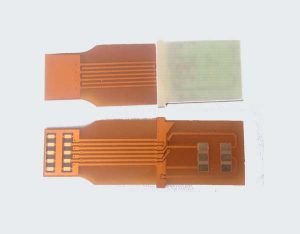
Flex PCBs and rigid flex PCBs are two popular choices for electronic manufacturers due to their flexibility and durability.
However, the manufacturing processes for these two types of PCBs differ significantly.
In this article, we will compare the manufacturing processes for flex PCBs and rigid flex PCBs to help you understand the differences between the two.
Flex PCBs, also known as flexible printed circuit boards, are made of a flexible substrate material such as polyimide or polyester.
These materials allow the PCB to bend and twist without breaking, making them ideal for applications where space is limited or where the PCB needs to conform to a specific shape.
The manufacturing process for flex PCBs involves several steps, starting with the design of the circuit layout.
Once the circuit layout is finalized, a thin layer of copper is laminated onto the flexible substrate material.
This copper layer is then etched to create the desired circuit pattern.
Next, a solder mask is applied to protect the copper traces and pads from oxidation and contamination.
Finally, the components are soldered onto the PCB to complete the assembly process.
Rigid flex PCBs, on the other hand, combine the flexibility of flex PCBs with the rigidity of traditional rigid PCBs.
These PCBs are made of multiple layers of flexible and rigid materials that are laminated together to create a single, integrated PCB.
The manufacturing process for rigid flex PCBs is more complex than that of flex PCBs, as it involves both flexible and rigid materials.
The first step in manufacturing a rigid flex PCB is to design the circuit layout, just like with flex PCBs. However, in the case of rigid flex PCBs, the design must take into account the different materials and layers that will be used in the PCB.
Once the circuit layout is finalized, the flexible and rigid materials are laminated together to create the multiple layers of the PCB.
After the layers are laminated together, the copper traces and pads are etched onto the flexible and rigid materials to create the circuit pattern.
A solder mask is then applied to protect the copper traces and pads, just like with flex PCBs.
Finally, the components are soldered onto the PCB to complete the assembly process.
In conclusion, the manufacturing processes for flex PCBs and rigid flex PCBs differ in terms of materials and complexity.
Flex PCBs are made of a single layer of flexible material, while rigid flex PCBs are made of multiple layers of flexible and rigid materials.
The manufacturing process for flex PCBs is simpler and more straightforward, while the process for rigid flex PCBs is more complex and requires careful consideration of the different materials and layers involved.
Both types of PCBs have their own advantages and disadvantages, and the choice between flex PCBs and rigid flex PCBs will depend on the specific requirements of your application.
Flex PCBs are ideal for applications where flexibility is important, while rigid flex PCBs are better suited for applications where a combination of flexibility and rigidity is required.
By understanding the differences in the manufacturing processes for these two types of PCBs, you can make an informed decision about which type of PCB is best for your project.