
Benefits of Flex PCB
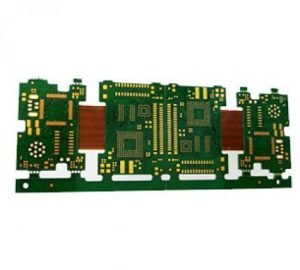
Flex PCBs and rigid flex PCBs are two popular choices in the world of printed circuit boards.
Both offer unique benefits and advantages, but when it comes to flexibility and versatility, flex PCBs take the lead. In this article, we will delve into the benefits of flex PCBs and why they are a preferred choice for many applications.
One of the key advantages of flex PCBs is their ability to bend and twist without breaking.
This flexibility allows for more compact and lightweight designs, making them ideal for applications where space is limited.
Flex PCBs can be bent, folded, or even rolled up, making them perfect for use in devices with irregular shapes or tight spaces.
Another benefit of flex PCBs is their durability.
Traditional rigid PCBs are prone to damage from vibrations, shocks, and other external forces.
Flex PCBs, on the other hand, are more resistant to these types of stresses, making them a reliable choice for applications that require a high level of durability.
Flex PCBs also offer improved signal integrity.
Because they can be designed with shorter signal paths and fewer interconnects, flex PCBs can reduce signal loss and interference, resulting in better overall performance.
This makes them a popular choice for high-speed and high-frequency applications where signal integrity is critical.
In addition to their flexibility and durability, flex PCBs are also cost-effective.
While the initial cost of flex PCBs may be higher than rigid PCBs, their ability to reduce the need for additional components and connectors can result in overall cost savings.
Flex PCBs also require less material and labor to manufacture, further contributing to their cost-effectiveness.
Flex PCBs are also lightweight, which can be a significant advantage in applications where weight is a concern.
Their thin and flexible design makes them easy to integrate into devices without adding unnecessary bulk or weight.
This makes them a popular choice for applications such as aerospace, automotive, and medical devices where weight savings are important.
Overall, flex PCBs offer a range of benefits that make them a preferred choice for many applications.
Their flexibility, durability, improved signal integrity, cost-effectiveness, and lightweight design make them an attractive option for a wide range of industries. Whether you are designing a consumer electronics device, a medical device, or an aerospace application, flex PCBs can provide the flexibility and versatility you need to bring your design to life.
In conclusion, flex PCBs offer a range of benefits that make them a superior choice to rigid flex PCBs in many applications.
Their flexibility, durability, improved signal integrity, cost-effectiveness, and lightweight design make them a popular choice for a wide range of industries.
If you are looking for a reliable and versatile solution for your next PCB design, consider using flex PCBs for your project.