
Design Considerations for Flex PCB Assembly in Harsh Environments
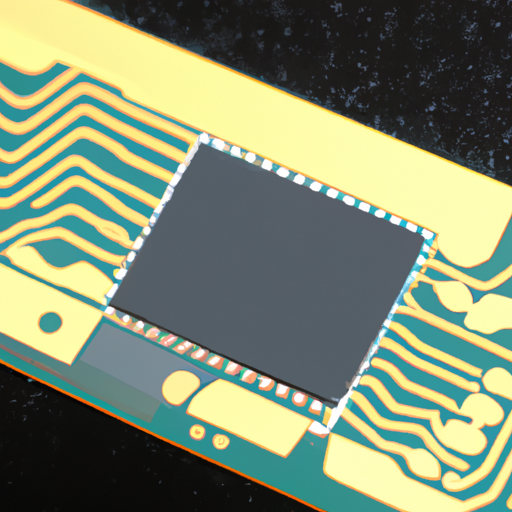
Flex PCB assembly in harsh environments requires careful consideration and planning to ensure the reliability and performance of the final product.
Harsh environments can include extreme temperatures, high humidity, exposure to chemicals, and mechanical stress. In such conditions, traditional rigid PCBs may not be suitable due to their limited flexibility and durability.
Flex PCBs, on the other hand, offer a more robust and versatile solution for applications in harsh environments.
One of the key considerations for flex PCB assembly in harsh environments is the choice of materials.
Flex PCBs are typically made of polyimide or polyester substrates, which offer excellent flexibility and resistance to heat and chemicals.
These materials are also lightweight, which is advantageous for applications where weight is a concern.
When selecting materials for flex PCB assembly in harsh environments, it is important to consider the specific requirements of the application, such as temperature range, chemical exposure, and mechanical stress.
In addition to material selection, the design of the flex PCB is also critical for ensuring reliability in harsh environments.
The layout of the circuitry, the placement of components, and the routing of traces should be optimized to minimize stress on the flexible substrate.
It is important to avoid sharp bends and tight corners, as these can lead to cracking or delamination of the substrate.
Instead, gentle curves and gradual transitions should be used to ensure the longevity of the flex PCB in harsh environments.
Another important consideration for flex PCB assembly in harsh environments is the choice of components.
Components used in harsh environments should be able to withstand the conditions they will be exposed to, such as high temperatures, humidity,
and chemical exposure. It is important to select components that are rated for the specific environmental conditions of the application to ensure the reliability of the flex PCB assembly.
In addition to material selection, design optimization, and component selection, the assembly process itself plays a crucial role in ensuring the reliability of flex PCBs in harsh environments.
Specialized assembly techniques may be required to accommodate the flexibility of the substrate and the unique challenges posed by harsh environmental conditions.
For example, soldering techniques may need to be adjusted to account for the flexibility of the substrate, and conformal coating may be necessary to protect the PCB from moisture and chemicals.
Overall, flex PCB assembly in harsh environments requires a holistic approach that takes into account material selection, design optimization, component selection, and assembly techniques.
By carefully considering these factors, manufacturers can ensure the reliability and performance of flex PCBs in even the most challenging environmental conditions.
Flex PCBs offer a versatile and durable solution for applications in harsh environments, and with the right considerations and planning, they can provide reliable performance for a wide range of applications.