
Advantages of Using Rigid-Flexible PCBs in Electronic Devices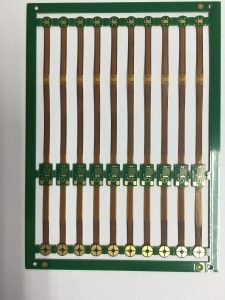
Printed circuit boards (PCBs) are an essential component in electronic devices, serving as the foundation for connecting various electronic components. Traditionally, PCBs have been either rigid or flexible, each with its own set of advantages and limitations. However, in recent years, a new type of PCB has emerged that combines the best of both worlds – rigid-flexible PCBs. These innovative PCBs offer a range of benefits that make them an attractive choice for a wide variety of electronic applications.
One of the key advantages of rigid-flexible PCBs is their ability to reduce the overall size and weight of electronic devices. By combining rigid and flexible sections into a single board, designers can create more compact and lightweight devices without sacrificing functionality. This is particularly important in industries such as aerospace, automotive, and medical devices, where space and weight constraints are critical considerations.
In addition to their space-saving benefits, rigid-flexible PCBs also offer improved reliability compared to traditional rigid or flexible PCBs.The combination of rigid and flexible sections allows for better distribution of stress and strain, reducing the likelihood of mechanical failures such as cracking or delamination. This increased reliability can lead to longer product lifespans and lower maintenance costs, making rigid-flexible PCBs a cost-effective choice for many applications.
Another advantage of rigid-flexible PCBs is their ability to simplify the assembly process. By integrating multiple PCBs into a single rigid-flexible board, manufacturers can reduce the number of interconnects and solder joints required, leading to faster and more efficient assembly. This can result in lower production costs and faster time-to-market for electronic devices, giving manufacturers a competitive edge in today’s fast-paced market.
Furthermore, rigid-flexible PCBs offer greater design flexibility compared to traditional PCBs. Designers can create complex, three-dimensional shapes that would be impossible with rigid or flexible PCBs alone, allowing for more creative and innovative product designs. This flexibility also enables designers to optimize the layout of electronic components for improved performance and functionality, leading to better overall product quality.
In addition to their technical advantages, rigid-flexible PCBs also offer environmental benefits. By reducing the size and weight of electronic devices, rigid-flexible PCBs can help to minimize the use of materials and energy during manufacturing. This can lead to a reduction in carbon emissions and other environmental impacts, making rigid-flexible PCBs a more sustainable choice for electronic applications.
Overall, the benefits of rigid-flexible PCBs make them an attractive option for a wide range of electronic devices. From space-saving design to improved reliability and environmental sustainability, rigid-flexible PCBs offer a host of advantages that can help manufacturers create better products and stay ahead of the competition. As technology continues to evolve, rigid-flexible PCBs are likely to play an increasingly important role in the development of next-generation electronic devices.