
Advantages of Using Rigid Flex PCBs in Electronic Devices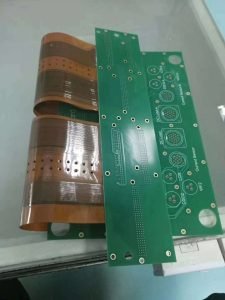
Printed circuit boards (PCBs) are an essential component in modern electronic devices, providing the necessary platform for connecting and supporting various electronic components. While traditional PCBs have been widely used for many years, rigid flex PCBs are gaining popularity in the electronics industry due to their unique design and numerous benefits. In this article, we will explore the advantages of using rigid flex PCBs in electronic devices.
Rigid flex PCBs combine the benefits of both rigid and flexible PCBs, offering a versatile solution for electronic devices that require a combination of flexibility and durability. These PCBs consist of multiple layers of flexible circuit substrates attached to one or more rigid boards, allowing for complex designs that can be folded or bent to fit into tight spaces. This flexibility makes rigid flex PCBs ideal for applications where space is limited, such as in wearable devices, medical implants, and aerospace systems.
One of the key advantages of using rigid flex PCBs is their reliability and durability. The combination of rigid and flexible materials in these PCBs results in a more robust construction that can withstand mechanical stress, vibration, and temperature fluctuations. This increased durability reduces the risk of damage to the PCB and its components, leading to improved overall performance and longevity of the electronic device.
Another benefit of rigid flex PCBs is their ability to reduce the overall size and weight of electronic devices. By eliminating the need for bulky connectors and cables, rigid flex PCBs allow for a more compact and lightweight design, making them ideal for portable and handheld devices. This reduction in size and weight also contributes to improved portability and ease of use for the end user.
In addition to their physical advantages, rigid flex PCBs offer enhanced electrical performance compared to traditional PCBs. The flexible circuit substrates in these PCBs provide better signal integrity and impedance control, resulting in reduced electromagnetic interference and improved signal transmission. This improved electrical performance leads to higher reliability and efficiency in electronic devices, making rigid flex PCBs a preferred choice for high-performance applications.
Furthermore, rigid flex PCBs offer greater design flexibility and customization options compared to traditional PCBs. The ability to create complex and intricate designs with multiple layers and bends allows for more creative and innovative electronic devices. Designers can tailor the shape and layout of the PCB to meet specific requirements, resulting in a more efficient and optimized product.
Overall, the benefits of using rigid flex PCBs in electronic devices are clear. From improved reliability and durability to enhanced electrical performance and design flexibility, rigid flex PCBs offer a versatile and efficient solution for a wide range of applications. As technology continues to advance, the demand for smaller, lighter, and more reliable electronic devices will only increase, making rigid flex PCBs an essential component in the future of electronics.