
Benefits of Rigid-Flex Assembly Technology in Electronics Manufacturing
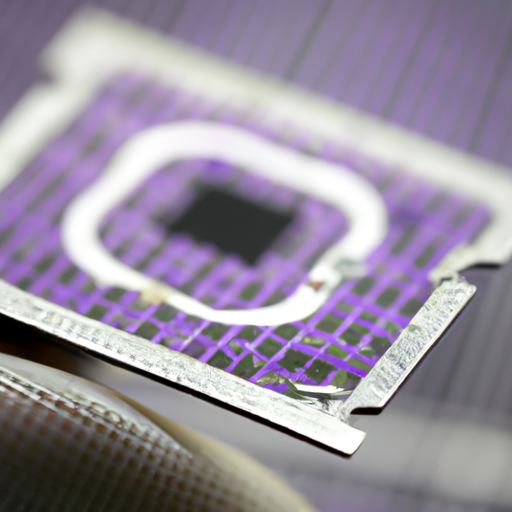
In the ever-evolving world of electronics manufacturing, staying ahead of the curve is essential for companies looking to remain competitive. One technology that has been gaining traction in recent years is rigid-flex assembly. This innovative approach combines the benefits of rigid and flexible circuit boards, offering a range of advantages that can significantly improve the efficiency and performance of electronic devices.
One of the key advantages of rigid-flex assembly technology is its ability to reduce the overall size and weight of electronic devices. By combining rigid and flexible circuit boards into a single unit, manufacturers can create more compact and lightweight designs that are ideal for applications where space is limited. This can be particularly beneficial in industries such as aerospace, automotive, and medical devices, where size and weight constraints are common.
Another advantage of rigid-flex assembly technology is its ability to improve reliability and durability. Traditional rigid circuit boards are prone to failure due to factors such as vibration, shock, and thermal expansion. By incorporating flexible elements into the design, manufacturers can create more robust and resilient electronic devices that are better able to withstand harsh operating conditions. This can result in fewer warranty claims and returns, saving companies time and money in the long run.
In addition to improving reliability, rigid-flex assembly technology can also streamline the manufacturing process. By combining multiple circuit boards into a single unit, manufacturers can reduce the number of components and connections required, simplifying assembly and reducing the risk of errors. This can lead to faster production times, lower labor costs, and higher overall efficiency, allowing companies to bring their products to market more quickly and cost-effectively.
Furthermore, rigid-flex assembly technology offers greater design flexibility compared to traditional rigid circuit boards. With the ability to bend and twist, flexible circuit boards can be shaped to fit into tight spaces or conform to complex geometries, opening up new possibilities for product design and innovation. This flexibility can also make it easier to integrate additional features and functionality into electronic devices, giving manufacturers more options for customization and differentiation in the marketplace.
Overall, the advantages of rigid-flex assembly technology in electronics manufacturing are clear. From reducing size and weight to improving reliability and durability, streamlining the manufacturing process, and offering greater design flexibility, this innovative approach has the potential to revolutionize the way electronic devices are designed and produced. As technology continues to advance, companies that embrace rigid-flex assembly will be well-positioned to stay ahead of the competition and meet the evolving needs of consumers in a rapidly changing marketplace.