
Environmental Resistance: Enhancing Device Longevity with Rigid-Flex PCBs
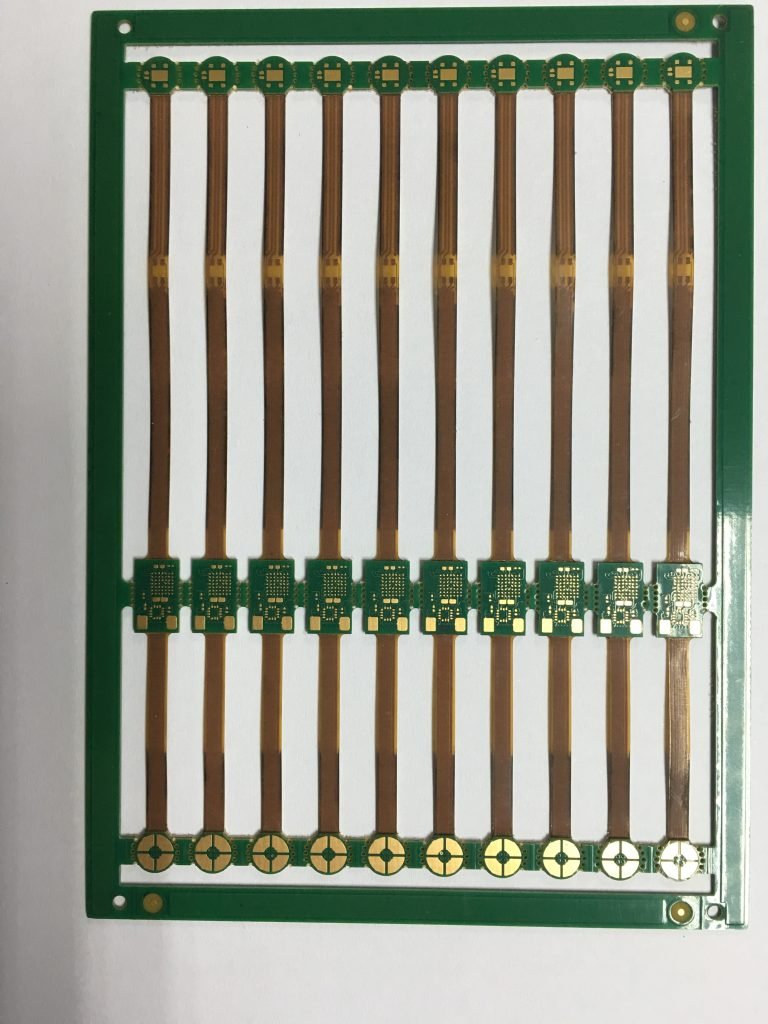
In today’s world, smart devices are expected to perform reliably in a wide range of environments, from humid outdoor conditions to industrial settings with exposure to dust and chemicals. Rigid-flex printed circuit boards (PCBs) have emerged as a robust solution to these challenges, offering environmental resistance that enhances the durability and longevity of electronic devices. By designing rigid-flex PCBs to withstand moisture, dust, and chemicals, manufacturers can ensure that their products remain functional and reliable even in harsh conditions.
One of the key advantages of rigid-flex PCBs is their ability to resist moisture, which is a common cause of failure in electronic devices.
Moisture can lead to corrosion, short circuits, and other issues that compromise performance.
Rigid-flex PCBs can be designed with protective coatings and materials that prevent water ingress, making them ideal for applications such as outdoor sensors, marine electronics, and wearable devices that may be exposed to sweat or rain. For example, fitness trackers and smartwatches with rigid-flex PCBs can maintain their functionality even during intense workouts or in wet environments.
In addition to moisture resistance, rigid-flex PCBs can be engineered to withstand dust and particulate matter.
Dust accumulation can interfere with the operation of electronic components, leading to overheating or signal interference.
Rigid-flex PCBs used in industrial equipment, automotive systems, and outdoor devices can be sealed or encapsulated to prevent dust from penetrating the circuitry. This ensures reliable performance in environments such as construction sites, factories, and deserts, where dust is a constant challenge.
Chemical resistance is another critical feature of rigid-flex PCBs, particularly in industries like healthcare, automotive, and manufacturing.
Devices used in these sectors often come into contact with chemicals, such as cleaning agents, fuels, or industrial solvents, which can degrade traditional PCBs. Rigid-flex PCBs can be constructed using materials that are resistant to chemical exposure, ensuring that the circuitry remains intact and functional.
For instance, medical devices with rigid-flex PCBs can withstand sterilization processes involving harsh chemicals, while automotive electronics can endure exposure to engine oils and fuels.
The environmental resistance of rigid-flex PCBs also extends to temperature extremes. Many smart devices are required to operate in environments with fluctuating temperatures, from freezing cold to scorching heat. Rigid-flex PCBs can be designed with materials that maintain their structural integrity and electrical performance across a wide temperature range. This makes them suitable for applications such as aerospace systems, where devices must function in the extreme cold of high altitudes, or automotive electronics, which face the heat of engine compartments.
Furthermore, the robust design of rigid-flex PCBs reduces the need for additional protective enclosures, which can add bulk and weight to devices.
By integrating environmental resistance directly into the PCB, manufacturers can create sleeker, more compact designs without compromising durability.
This is particularly important for portable and wearable devices, where size and weight are critical factors.
In conclusion, the environmental resistance of rigid-flex PCBs plays a vital role in enhancing the longevity and reliability of smart devices.
By withstanding moisture, dust, chemicals, and temperature extremes, rigid-flex PCBs ensure that devices can perform consistently in challenging conditions. As the demand for durable and reliable electronics continues to grow, rigid-flex PCBs will remain a key enabler of innovation, empowering manufacturers to create products that thrive in even the harshest environments.