
Benefits of Using Rigid-Flexible PCBs in Environmental Applications
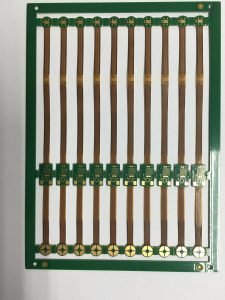
Rigid-flex PCBs have become increasingly popular in a wide range of applications due to their unique combination of rigid and flexible circuitry. These boards offer numerous benefits, including increased reliability, reduced assembly time, and improved signal integrity. In addition to these advantages, rigid-flex PCBs are also well-suited for use in environmental applications.
One of the key benefits of using rigid-flex PCBs in environmental applications is their ability to withstand harsh conditions. Traditional rigid PCBs are limited in their ability to bend or flex, making them less suitable for applications where the board may be exposed to vibrations, shocks, or extreme temperatures. Rigid-flex PCBs, on the other hand, are designed to be more durable and resilient, making them ideal for use in environments where the board may be subject to physical stress.
Another advantage of using rigid-flex PCBs in environmental applications is their ability to reduce the overall size and weight of the electronic device. By combining rigid and flexible circuitry into a single board, designers can create more compact and lightweight devices that are easier to transport and install. This can be particularly beneficial in applications where space is limited or weight is a concern, such as in aerospace or automotive applications.
In addition to their durability and compact size, rigid-flex PCBs also offer improved signal integrity, which is crucial in environmental applications where reliable communication is essential. The flexible portions of the board can help to reduce signal interference and crosstalk, resulting in more stable and accurate data transmission. This can be particularly important in applications where the board may be exposed to electromagnetic interference or other sources of signal noise.
Furthermore, rigid-flex PCBs are also more resistant to moisture and other environmental contaminants, making them well-suited for use in applications where the board may be exposed to water, dust, or other potentially damaging substances. This can help to extend the lifespan of the electronic device and reduce the need for frequent maintenance or replacement.
Overall, the use of rigid-flex PCBs in environmental applications offers a number of benefits, including increased durability, reduced size and weight, improved signal integrity, and resistance to moisture and contaminants. These boards are well-suited for a wide range of applications, from industrial automation to medical devices to consumer electronics. By choosing rigid-flex PCBs for environmental applications, designers can create more reliable and efficient electronic devices that are better able to withstand the challenges of their operating environment.