
Benefits of Enhanced Durability in Electronic Devices
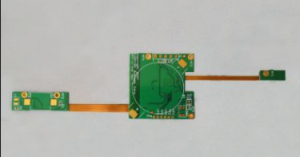
In the world of electronic devices, durability is a key factor that can make or break a product.
Consumers want devices that can withstand the wear and tear of daily use, whether it’s being tossed in a bag, dropped on the ground, or bent in a pocket.
This is where the combination of rigid and flexible materials comes into play, providing enhanced durability that is essential for devices that undergo frequent movement or bending.
One of the main benefits of using a combination of rigid and flexible materials in electronic devices is increased resistance to physical damage.
Rigid materials, such as metal or hard plastics, provide a strong outer shell that can protect the delicate internal components of a device from impact or pressure.
On the other hand, flexible materials, such as rubber or silicone, can absorb shock and distribute it evenly across the surface of the device, reducing the risk of cracks or breaks.
This combination of materials also allows for greater flexibility in the design of electronic devices.
Manufacturers can create devices that are slim and lightweight, while still maintaining a high level of durability.
This is especially important for devices like smartphones and tablets, which are constantly being handled and moved around.
The use of rigid and flexible materials allows these devices to be sleek and stylish, without sacrificing their ability to withstand everyday use.
Another benefit of enhanced durability in electronic devices is increased longevity.
Devices that are built to last are less likely to break or malfunction, saving consumers time and money in the long run.
By using a combination of rigid and flexible materials, manufacturers can create devices that are more resistant to wear and tear, ensuring that they will continue to function properly for years to come.
In addition to physical durability, the combination of rigid and flexible materials can also enhance the performance of electronic devices.
Flexible materials can be used to create components that are able to bend or stretch, allowing for greater flexibility in the design of devices.
This can lead to new and innovative features, such as foldable screens or wearable technology, that would not be possible with rigid materials alone.
Overall, the combination of rigid and flexible materials in electronic devices offers a wide range of benefits, from increased resistance to physical damage to enhanced performance and longevity.
By using these materials in their designs, manufacturers can create devices that are not only durable and reliable, but also stylish and innovative.
As technology continues to evolve, the importance of enhanced durability in electronic devices will only continue to grow, making it a key consideration for consumers and manufacturers alike.