
Enhanced Aesthetics: The slim profile of rigid flex PCBs allows for sleeker designs in consumer electronics, improving the overall aesthetics
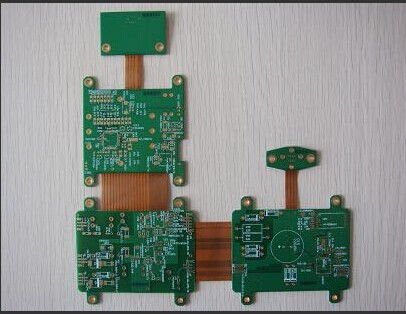
In the competitive world of consumer electronics, aesthetics play a crucial role in attracting customers and differentiating products.
Rigid-flex printed circuit boards (PCBs) have become a game-changer in this regard, enabling manufacturers to create sleek, stylish, and visually appealing devices. By combining the functionality of rigid boards with the flexibility of circuits, rigid-flex PCBs allow for slim profiles and innovative designs that enhance the overall aesthetics of consumer electronics.
One of the most significant contributions of rigid-flex PCBs to device aesthetics is their ability to reduce the overall size and thickness of electronic products. Traditional PCBs, with their rigid structures and bulky connectors, often limit design possibilities, resulting in thicker and less elegant devices.
Rigid-flex PCBs, on the other hand, eliminate the need for additional connectors and wiring by integrating rigid and flexible sections into a single unit.
This allows for more compact designs, enabling devices like smartphones, tablets, and laptops to achieve ultra-slim profiles that are both visually appealing and ergonomic.
The flexibility of rigid-flex PCBs also opens up new possibilities for innovative form factors.
For example, foldable smartphones and rollable displays, which are gaining popularity in the market, rely heavily on rigid-flex PCB technology.
These devices require circuits that can bend and flex without compromising performance, and rigid-flex PCBs are uniquely suited to meet this demand.
By enabling such cutting-edge designs, rigid-flex PCBs help manufacturers create products that stand out in a crowded marketplace.
In addition to enabling slim profiles and innovative shapes, rigid-flex PCBs contribute to cleaner and more organized internal layouts.
The integration of multiple functions into a single board reduces the need for additional components and wiring, resulting in a more streamlined and visually pleasing interior. This not only enhances the aesthetics of the device but also improves its functionality by reducing the risk of signal interference and mechanical failures.
The enhanced aesthetics of rigid-flex PCBs are particularly important in wearable devices, where design and comfort are critical to user adoption.
Devices like smartwatches, fitness trackers, and wireless earbuds benefit from the slim and flexible nature of rigid-flex PCBs, which allow them to conform to the shape of the human body. This results in lightweight, comfortable, and stylish wearables that users are proud to wear and display.
Furthermore, the use of rigid-flex PCBs enables manufacturers to create devices with seamless and minimalist exteriors.
By reducing the number of external connectors and ports, rigid-flex PCBs contribute to a cleaner and more polished look.
This is especially important in high-end consumer electronics, where attention to detail and premium design are key selling points.
In conclusion, rigid-flex PCBs have revolutionized the aesthetics of consumer electronics by enabling slim profiles, innovative designs, and streamlined layouts. Their ability to combine functionality with flexibility allows manufacturers to create devices that are not only visually appealing but also highly functional and user-friendly. As consumer demand for stylish and innovative electronics continues to grow, rigid-flex PCBs will remain at the forefront of design innovation, shaping the future of consumer technology.