
Slim Profile of Rigid Flex PCBs for Sleeker Designs in Consumer Electronics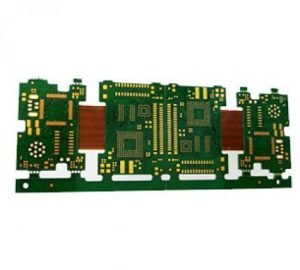
In the world of consumer electronics, aesthetics play a crucial role in the success of a product.
Consumers are drawn to sleek, modern designs that not only look good but also feel good in their hands.
One way that manufacturers are achieving this desired aesthetic is through the use of rigid flex PCBs.
Rigid flex PCBs, or rigid-flexible printed circuit boards, are a hybrid of traditional rigid PCBs and flexible PCBs.
They consist of multiple layers of flexible circuit substrates attached to one or more rigid boards.
This unique construction allows for increased flexibility and durability while maintaining the rigidity necessary for mounting components.
One of the key advantages of rigid flex PCBs is their slim profile. Traditional rigid PCBs are limited in terms of flexibility and size, often requiring additional connectors and cables to accommodate complex designs.
In contrast, rigid flex PCBs can be bent and folded to fit into tight spaces, allowing for more compact and streamlined designs in consumer electronics.
The slim profile of rigid flex PCBs also contributes to a sleeker overall aesthetic. By eliminating the need for bulky connectors and cables, manufacturers can create devices with clean lines and smooth surfaces.
This minimalist approach not only looks more modern and sophisticated but also enhances the user experience by reducing clutter and improving ergonomics.
In addition to their slim profile, rigid flex PCBs offer other benefits that contribute to enhanced aesthetics in consumer electronics.
Their lightweight construction makes them ideal for portable devices, while their durability ensures long-lasting performance.
This combination of form and function allows manufacturers to create products that not only look good but also perform well.
Furthermore, the flexibility of rigid flex PCBs opens up new possibilities for design innovation. Manufacturers can experiment with unique shapes and configurations that would be impossible with traditional rigid PCBs.
This creative freedom allows for the development of truly distinctive products that stand out in a crowded marketplace.
As consumer demand for sleek, modern electronics continues to grow, the use of rigid flex PCBs is becoming increasingly common.
From smartphones and tablets to wearables and IoT devices, manufacturers are turning to rigid flex technology to achieve the slim profiles and sleek designs that consumers desire.
In conclusion, the slim profile of rigid flex PCBs is revolutionizing the world of consumer electronics.
By allowing for more compact and streamlined designs, these innovative circuit boards are enhancing the overall aesthetics of electronic devices.
With their flexibility, durability, and design versatility, rigid flex PCBs are helping manufacturers create products that not only look good but also perform well.
As technology continues to evolve, rigid flex PCBs will undoubtedly play a key role in shaping the future of consumer electronics.