
Benefits of Using Dynamic Rigid-Flexible PCB Configurations
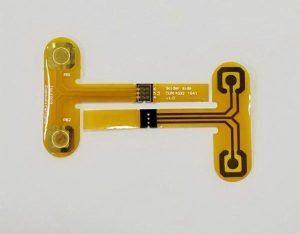
Dynamic rigid-flexible PCB configurations offer a wide range of benefits for electronic devices and systems.
These configurations combine the advantages of rigid and flexible PCBs, allowing for increased design flexibility, improved reliability, and enhanced performance. By integrating both rigid and flexible elements into a single PCB design, engineers can create innovative solutions that meet the specific requirements of their applications.
One of the key benefits of using dynamic rigid-flexible PCB configurations is the ability to reduce the overall size and weight of electronic devices.
By incorporating flexible sections into the PCB design, engineers can create compact and lightweight solutions that are ideal for space-constrained applications. This can be particularly advantageous in industries such as aerospace, automotive, and medical devices, where size and weight are critical factors.
In addition to size and weight savings, dynamic rigid-flexible PCB configurations also offer improved reliability compared to traditional rigid PCB designs.
The flexible sections of the PCB can help to absorb mechanical stresses and vibrations, reducing the risk of damage to the components and solder joints.
This can result in a longer lifespan for the electronic device and lower maintenance costs over time.
Furthermore, dynamic rigid-flexible PCB configurations can also improve the performance of electronic devices.
By incorporating flexible sections into the design, engineers can create complex three-dimensional shapes that are not possible with traditional rigid PCBs. This can help to optimize signal integrity, reduce electromagnetic interference, and improve thermal management, leading to better overall performance of the electronic device.
Another benefit of using dynamic rigid-flexible PCB configurations is the ability to simplify the assembly process.
By integrating both rigid and flexible elements into a single PCB design, engineers can reduce the number of interconnects and connectors required, leading to a more streamlined and efficient assembly process. This can help to reduce manufacturing costs and improve time-to-market for electronic devices.
Additionally, dynamic rigid-flexible PCB configurations offer greater design flexibility compared to traditional rigid PCB designs. Engineers can create custom shapes and configurations to meet the specific requirements of their applications, without being limited by the constraints of a rigid PCB. This can lead to more innovative and creative solutions that push the boundaries of what is possible in electronic design.
Overall, dynamic rigid-flexible PCB configurations offer a wide range of benefits for electronic devices and systems. By combining the advantages of rigid and flexible PCBs, engineers can create compact, reliable, and high-performance solutions that meet the specific requirements of their applications. With improved size and weight savings, enhanced reliability, better performance, simplified assembly, and greater design flexibility, dynamic rigid-flexible PCB configurations are a versatile and innovative solution for a wide range of electronic design challenges.