
Benefits of Rigid-Flex Assembly Technology
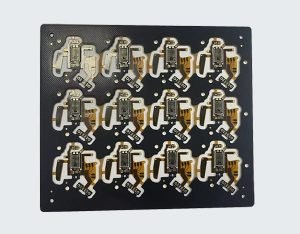
Rigid-flex assembly technology has become increasingly popular in the electronics industry due to its numerous benefits and advantages.
This innovative technology combines the flexibility of flexible circuits with the durability of rigid boards, allowing for more compact and reliable electronic devices.
In this article, we will explore some key considerations for designing with rigid-flex assembly technology to ensure success in your electronic product development.
One of the primary benefits of rigid-flex assembly technology is its ability to reduce the overall size and weight of electronic devices.
By eliminating the need for bulky connectors and cables, rigid-flex designs can be more compact and lightweight, making them ideal for applications where space is limited.
This can lead to cost savings in materials and manufacturing, as well as improved performance and reliability.
Another key advantage of rigid-flex assembly technology is its ability to improve the reliability of electronic devices.
Traditional rigid PCBs are prone to failure due to mechanical stress and vibration, which can cause solder joints to crack or components to become dislodged.
Rigid-flex designs, on the other hand, are more resistant to these types of failures, as the flexible sections can absorb and distribute mechanical stress more effectively. This can result in longer product lifespans and reduced maintenance costs for electronic devices.
In addition to improved reliability, rigid-flex assembly technology also offers greater design flexibility and versatility.
Designers can create complex three-dimensional shapes and configurations that would be impossible with traditional rigid PCBs, allowing for more creative and innovative product designs.
This can be particularly advantageous in applications where space is limited or where multiple components need to be integrated into a single assembly.
When designing with rigid-flex assembly technology, there are several key considerations to keep in mind to ensure success.
First and foremost, it is important to work closely with your PCB manufacturer to understand the capabilities and limitations of the technology.
Rigid-flex designs require specialized manufacturing processes and materials, so it is essential to collaborate with experienced professionals who can help guide you through the design and production process.
Another important consideration when designing with rigid-flex assembly technology is thermal management.
The combination of rigid and flexible materials can create thermal gradients within the assembly, which can lead to uneven heating and cooling of components.
To address this issue, designers should carefully consider the placement of components and thermal vias, as well as the selection of materials with good thermal conductivity.
In conclusion, rigid-flex assembly technology offers numerous benefits and advantages for electronic product development, including reduced size and weight, improved reliability, and greater design flexibility.
By carefully considering key factors such as collaboration with PCB manufacturers, thermal management, and design constraints, designers can successfully leverage the benefits of rigid-flex technology to create innovative and reliable electronic devices.
With the right approach and expertise, rigid-flex assembly technology can help drive success in your electronic product development efforts.