
Benefits of Using Rigid-Flexible PCBs in Electronic Design
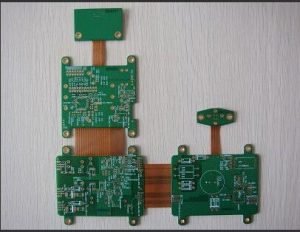
Printed circuit boards (PCBs) are an essential component in electronic devices, providing the necessary connections between various electronic components. In recent years, rigid-flex PCBs have gained popularity in electronic design due to their numerous benefits. In this article, we will explore the advantages of using rigid-flex PCBs and provide design guidelines to help engineers optimize their electronic designs.
One of the primary benefits of using rigid-flex PCBs is their ability to reduce the overall size and weight of electronic devices. By combining rigid and flexible PCBs into a single unit, engineers can create more compact and lightweight designs, making them ideal for applications where space is limited. This can be particularly advantageous in portable electronic devices such as smartphones, tablets, and wearables, where size and weight are critical factors.
Another key advantage of rigid-flex PCBs is their improved reliability and durability. Traditional rigid PCBs are prone to mechanical stress and vibration, which can lead to solder joint failures and other reliability issues. In contrast, rigid-flex PCBs are more resistant to mechanical stress due to the flexibility of the flexible sections, resulting in a more robust and reliable design. This increased durability can be especially beneficial in applications where the electronic device is subjected to harsh environmental conditions or frequent movement.
In addition to their compact size and improved reliability, rigid-flex PCBs also offer enhanced design flexibility. The combination of rigid and flexible sections allows engineers to create complex three-dimensional designs that would be difficult or impossible to achieve with traditional rigid PCBs. This flexibility opens up new possibilities for innovative electronic designs, enabling engineers to create more efficient and functional products.
When designing a rigid-flex PCB, there are several guidelines that engineers should follow to ensure optimal performance and reliability. One important consideration is the placement of components on the flexible sections of the PCB. Components should be placed away from areas of high mechanical stress, such as bending points or areas near connectors, to minimize the risk of damage during operation.
Another important design guideline is to use proper routing techniques to ensure signal integrity and minimize electromagnetic interference. Signal traces should be routed carefully to avoid crossing over each other or running parallel to high-speed signals, which can lead to signal degradation and interference. Ground planes should also be carefully designed to provide a solid return path for signals and reduce electromagnetic emissions.
It is also essential to consider the material properties of the flexible sections of the PCB when designing a rigid-flex PCB. The flexible material should be chosen carefully to ensure it can withstand the mechanical stress and bending that the PCB will experience during operation. Additionally, the material should have good thermal stability to ensure reliable performance over a wide range of temperatures.
In conclusion, rigid-flex PCBs offer numerous benefits in electronic design, including reduced size and weight, improved reliability, and enhanced design flexibility. By following the design guidelines outlined in this article, engineers can optimize their rigid-flex PCB designs for optimal performance and reliability. With careful planning and attention to detail, engineers can take full advantage of the benefits of rigid-flex PCBs to create innovative and reliable electronic devices.