
Benefits of Using Rigid-Flex Printed Circuits
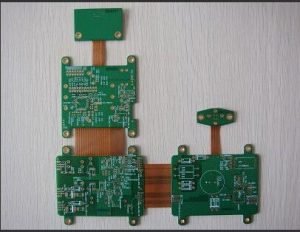
Rigid-flex printed circuits have become increasingly popular in the electronics industry due to their numerous benefits and advantages over traditional rigid PCBs. These circuits combine the best of both worlds by incorporating rigid and flexible materials into a single design, allowing for greater flexibility and versatility in electronic devices. In this article, we will explore some of the key design considerations for rigid-flex printed circuits and discuss the benefits of using them in electronic applications.
One of the main advantages of rigid-flex printed circuits is their ability to reduce the overall size and weight of electronic devices.
By combining rigid and flexible materials, designers can create compact and lightweight circuits that can be easily integrated into smaller and more complex electronic devices. This is especially important in applications where space is limited, such as in wearable technology, medical devices, and aerospace systems.
Another benefit of using rigid-flex printed circuits is their improved reliability and durability.
Traditional rigid PCBs are prone to mechanical stress and thermal expansion, which can lead to solder joint failures and other reliability issues.
Rigid-flex circuits, on the other hand, are more resistant to these types of stresses due to their flexible materials and design.
This results in a more robust and reliable circuit that can withstand harsh environmental conditions and extended use.
In addition to their size and reliability advantages, rigid-flex printed circuits also offer greater design flexibility and customization options.
Designers can create complex and intricate circuit layouts that would be difficult or impossible to achieve with traditional rigid PCBs.
This allows for more creative and innovative designs that can improve the performance and functionality of electronic devices.
When designing rigid-flex printed circuits, there are several key considerations that designers must take into account.
One of the most important factors is the selection of materials. Rigid-flex circuits typically consist of a combination of rigid FR4 material and flexible polyimide material. Designers must carefully choose the right materials based on the specific requirements of the application, such as temperature range, flexibility, and mechanical strength.
Another important consideration is the design of the circuit layout. Designers must carefully plan the placement of rigid and flexible sections to ensure proper functionality and reliability. This includes determining the location of components, vias, and traces, as well as the routing of signal and power lines.
Proper design and layout are essential for ensuring the performance and reliability of the circuit.
In conclusion, rigid-flex printed circuits offer numerous benefits and advantages over traditional rigid PCBs.
These circuits provide a compact and lightweight solution for electronic devices, as well as improved reliability and durability.
Designers can take advantage of the flexibility and customization options offered by rigid-flex circuits to create innovative and high-performance electronic designs. By carefully considering materials, layout, and design considerations, designers can create robust and reliable rigid-flex printed circuits that meet the specific requirements of their applications.