
Benefits of Using Rigid-Flex PCBs in High-Reliability Applications
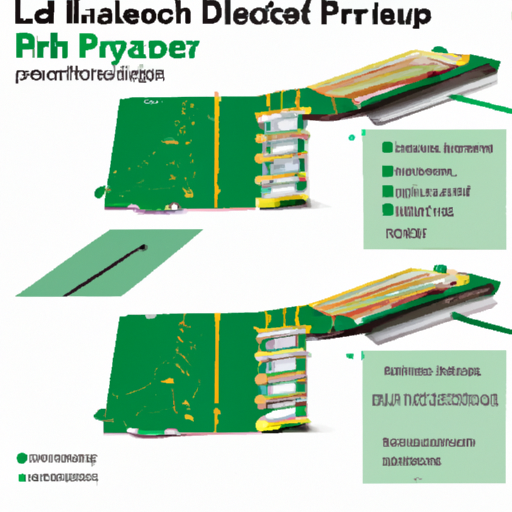
Rigid-flex PCBs have become increasingly popular in high-reliability applications due to their unique design and numerous benefits.
These specialized circuit boards combine the advantages of rigid and flexible PCBs, offering a versatile solution for applications that require high reliability, durability, and space-saving designs.
In this article, we will explore the key design considerations for rigid-flex PCBs in high-reliability applications and discuss the benefits of using these advanced circuit boards.
One of the primary benefits of using rigid-flex PCBs in high-reliability applications is their ability to reduce the overall size and weight of electronic devices.
By combining rigid and flexible sections in a single board, designers can create compact and lightweight solutions that are ideal for space-constrained applications.
This is particularly important in industries such as aerospace, medical devices, and automotive, where size and weight restrictions are critical considerations.
Another key advantage of rigid-flex PCBs is their enhanced reliability and durability.
The flexible sections of the board are designed to withstand bending, twisting, and vibration, making them ideal for applications that require high levels of mechanical stress.
Additionally, the rigid sections provide stability and support for components, ensuring that the board can withstand harsh environmental conditions and temperature fluctuations.
When designing rigid-flex PCBs for high-reliability applications, it is essential to consider the specific requirements of the application and the operating environment.
Factors such as temperature range, humidity levels, and mechanical stress must be taken into account to ensure that the board can perform reliably under all conditions.
Additionally, designers must carefully select materials and manufacturing processes that are suitable for high-reliability applications, such as using high-quality substrates and ensuring proper bonding between rigid and flexible sections.
One of the key design considerations for rigid-flex PCBs in high-reliability applications is the routing of traces and vias.
Proper routing is essential to ensure signal integrity, minimize electromagnetic interference, and optimize the performance of the board.
Designers must carefully plan the placement of components, traces, and vias to ensure that signals can be transmitted efficiently and reliably throughout the board.
In high-reliability applications, it is also important to consider the thermal management of rigid-flex PCBs.
Proper heat dissipation is essential to prevent overheating and ensure the long-term reliability of the board.
Designers must carefully plan the placement of components, thermal vias, and heat sinks to optimize thermal performance and prevent hot spots on the board.
Overall, the benefits of using rigid-flex PCBs in high-reliability applications are numerous.
These advanced circuit boards offer a compact and lightweight solution that is ideal for space-constrained applications.
Additionally, rigid-flex PCBs provide enhanced reliability and durability, making them suitable for applications that require high levels of mechanical stress and harsh environmental conditions.
By carefully considering design considerations such as routing, materials, and thermal management, designers can create robust and reliable rigid-flex PCBs that meet the stringent requirements of high-reliability applications.