
Benefits of Using Rigid Flex PCBs for Cost Efficiency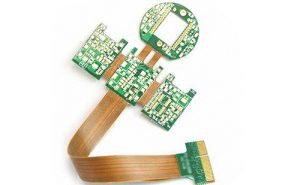
Cost efficiency is a crucial factor in the world of electronics manufacturing. Companies are constantly looking for ways to reduce costs without compromising on quality or performance.
One way to achieve cost efficiency in PCB assembly is by using rigid flex PCBs. While rigid flex PCBs may have a higher initial cost compared to traditional PCBs, they can actually help reduce overall assembly costs in the long run.
One of the main reasons why rigid flex PCBs can lead to cost savings is their ability to minimize the number of individual components and connectors required in a design.
Traditional PCBs often require multiple connectors and cables to connect different sections of the board, which can add up to significant costs in terms of materials and labor.
In contrast, rigid flex PCBs combine the benefits of both rigid and flexible PCBs, allowing for a more compact and streamlined design that eliminates the need for additional connectors and cables.
By reducing the number of components and connectors, rigid flex PCBs can also help simplify the assembly process. With fewer parts to handle and connect, assembly time is reduced, leading to lower labor costs.
Additionally, the risk of errors during assembly is minimized, which can further contribute to cost savings by reducing the need for rework or repairs.
Another benefit of using rigid flex PCBs for cost efficiency is their durability and reliability.
Rigid flex PCBs are designed to withstand harsh environments and mechanical stresses, making them less prone to damage or failure compared to traditional PCBs.
This increased reliability can help reduce maintenance and repair costs over the lifespan of the product, ultimately leading to long-term cost savings.
In addition to reducing assembly costs, rigid flex PCBs can also help save on material costs.
The compact design of rigid flex PCBs allows for more efficient use of materials, reducing waste and minimizing material costs.
Furthermore, the durability of rigid flex PCBs means that they have a longer lifespan compared to traditional PCBs, reducing the need for frequent replacements and repairs.
Overall, the cost efficiency benefits of using rigid flex PCBs make them a compelling choice for companies looking to optimize their manufacturing processes.
While the initial cost of rigid flex PCBs may be higher than traditional PCBs, the long-term savings in terms of assembly, labor, material, and maintenance costs can make them a cost-effective solution in the long run.
In conclusion, rigid flex PCBs offer a range of benefits for cost efficiency in electronics manufacturing.
By minimizing the number of components and connectors, simplifying the assembly process, and improving durability and reliability, rigid flex PCBs can help reduce overall assembly costs and save on material and maintenance expenses. Companies looking to optimize their manufacturing processes and achieve cost efficiency should consider incorporating rigid flex PCBs into their designs.