
Benefits of Copper Thickness Optimization in High-Speed Rigid-Flex Circuits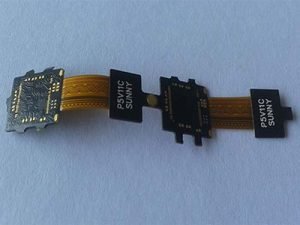
Copper thickness optimization is a critical aspect of designing high-speed rigid-flex circuits.
The thickness of the copper layers in a circuit board can have a significant impact on the performance and reliability of the circuit.
By carefully selecting the appropriate copper thickness for each layer of the board, designers can ensure that the circuit meets the required performance specifications while also minimizing costs and reducing the risk of signal integrity issues.
One of the key benefits of copper thickness optimization in high-speed rigid-flex circuits is improved signal integrity.
Signal integrity refers to the ability of a signal to travel through a circuit without distortion or loss of quality.
In high-speed circuits, signal integrity is particularly important, as even small amounts of distortion can lead to errors in data transmission.
By optimizing the copper thickness in the circuit, designers can minimize signal loss and distortion, ensuring that the circuit operates reliably at high speeds.
Another benefit of copper thickness optimization is improved thermal performance.
Copper is an excellent conductor of heat, and by optimizing the thickness of the copper layers in a circuit, designers can improve the thermal conductivity of the board.
This can help to dissipate heat more effectively, reducing the risk of overheating and improving the overall reliability of the circuit.
In high-speed circuits, where components may generate significant amounts of heat, optimizing the copper thickness can help to ensure that the circuit operates within safe temperature limits.
Cost savings are also a significant benefit of copper thickness optimization in high-speed rigid-flex circuits.
By carefully selecting the appropriate copper thickness for each layer of the board, designers can minimize material costs while still meeting performance requirements.
Thicker copper layers are more expensive to manufacture, so by optimizing the thickness of the copper layers, designers can reduce the overall cost of the circuit without sacrificing performance.
This can help to make high-speed rigid-flex circuits more affordable and accessible to a wider range of applications.
In addition to these benefits, copper thickness optimization can also help to improve the overall reliability of high-speed rigid-flex circuits.
Thicker copper layers are more resistant to mechanical stress and can provide better support for components mounted on the board.
By optimizing the copper thickness, designers can ensure that the circuit is more robust and less prone to failure due to vibration, shock, or other environmental factors.
This can help to extend the lifespan of the circuit and reduce the need for maintenance or repairs.
Overall, copper thickness optimization is a critical aspect of designing high-speed rigid-flex circuits.
By carefully selecting the appropriate copper thickness for each layer of the board, designers can improve signal integrity, thermal performance, and reliability while also reducing costs.
This can help to ensure that high-speed rigid-flex circuits meet the required performance specifications and operate reliably in a wide range of applications.