
Benefits of Using Rigid-Flexible PCBs
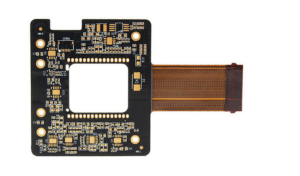
Printed circuit boards (PCBs) are an essential component in electronic devices, providing a platform for connecting various electronic components. Traditionally, PCBs have been rigid, meaning they are inflexible and cannot be bent or twisted. However, with advancements in technology, flexible PCBs have become increasingly popular due to their ability to bend and conform to different shapes. In recent years, a hybrid of rigid and flexible PCBs, known as rigid-flex PCBs, has emerged as a viable alternative to traditional PCBs. In this article, we will explore the benefits of using rigid-flex PCBs compared to traditional PCBs.
One of the primary advantages of rigid-flex PCBs is their ability to reduce the overall size and weight of electronic devices. Traditional PCBs require additional connectors and cables to connect different components, which can take up valuable space and add unnecessary weight. In contrast, rigid-flex PCBs eliminate the need for connectors and cables, allowing for a more compact and lightweight design. This is particularly beneficial in applications where space is limited, such as in wearable devices or medical implants.
Another benefit of using rigid-flex PCBs is their improved reliability and durability. Traditional PCBs are prone to mechanical stress and vibration, which can lead to solder joint failures and other reliability issues. Rigid-flex PCBs, on the other hand, are designed to withstand bending and twisting without compromising their performance. This makes them ideal for applications that require frequent movement or exposure to harsh environments.
In addition to their reliability, rigid-flex PCBs offer enhanced design flexibility. Traditional PCBs are limited in terms of shape and size, as they are constrained by the rigid nature of the board. Rigid-flex PCBs, on the other hand, can be designed to fit into complex shapes and configurations, allowing for more creative and innovative designs. This flexibility opens up new possibilities for product designers to create smaller, more efficient, and aesthetically pleasing electronic devices.
Furthermore, rigid-flex PCBs can help reduce assembly time and costs. Traditional PCBs require multiple components to be soldered together, which can be a time-consuming and labor-intensive process. Rigid-flex PCBs, on the other hand, are manufactured as a single unit, reducing the number of components that need to be assembled. This not only saves time but also reduces the risk of assembly errors and improves overall product quality.
Lastly, rigid-flex PCBs offer improved signal integrity and electrical performance compared to traditional PCBs. The flexible nature of rigid-flex PCBs allows for better impedance control and signal routing, resulting in reduced signal loss and improved signal quality. This is particularly important in high-speed applications where signal integrity is critical.
In conclusion, the benefits of using rigid-flex PCBs over traditional PCBs are clear. From reducing size and weight to improving reliability and design flexibility, rigid-flex PCBs offer a range of advantages that make them an attractive choice for electronic device manufacturers. As technology continues to evolve, rigid-flex PCBs are likely to become even more prevalent in the electronics industry, driving innovation and pushing the boundaries of what is possible in electronic design.