
Benefits of Rigid-Flex PCBs
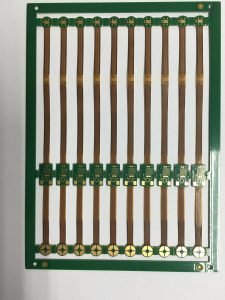
Printed circuit boards (PCBs) are an essential component in the electronics industry, serving as the foundation for connecting various electronic components in devices such as smartphones, computers, and medical equipment. Traditionally, PCBs have been manufactured using rigid materials such as fiberglass or epoxy resin. However, with the advancement of technology, flexible PCBs, also known as rigid-flex PCBs, have emerged as a popular alternative due to their numerous benefits.
One of the key advantages of rigid-flex PCBs is their flexibility, which allows them to be bent or twisted to fit into tight spaces or irregularly shaped devices.
This flexibility not only saves space but also reduces the need for additional connectors and cables, leading to a more compact and lightweight design.
In applications where size and weight are critical factors, such as wearable devices or aerospace equipment, rigid-flex PCBs offer a significant advantage over traditional rigid PCBs.
Another benefit of rigid-flex PCBs is their improved reliability and durability. The flexible materials used in rigid-flex PCBs are less prone to mechanical stress and vibration, making them more resistant to damage from external factors. This increased durability results in a longer lifespan for the PCB and the overall device, reducing maintenance costs and downtime. Additionally, rigid-flex PCBs are less susceptible to thermal expansion and contraction, ensuring stable performance even in extreme temperature conditions.
In terms of electrical performance, rigid-flex PCBs offer several advantages over traditional rigid PCBs. The flexible materials used in rigid-flex PCBs have lower dielectric constants and loss tangents, leading to reduced signal distortion and improved signal integrity. This results in better transmission of high-speed signals and lower electromagnetic interference, making rigid-flex PCBs ideal for applications requiring high-frequency performance, such as telecommunications and data networking.
Furthermore, rigid-flex PCBs allow for more complex and compact designs compared to traditional rigid PCBs. The ability to combine rigid and flexible sections in a single board enables designers to create intricate layouts that optimize space and functionality. This flexibility in design also allows for the integration of multiple layers and components, reducing the overall footprint of the PCB and improving overall system performance.
In addition to their technical advantages, rigid-flex PCBs offer cost savings in terms of assembly and maintenance. The elimination of connectors and cables reduces assembly time and labor costs, while the increased reliability and durability of rigid-flex PCBs result in lower maintenance and replacement expenses over the lifespan of the device. These cost savings make rigid-flex PCBs a cost-effective solution for a wide range of applications, from consumer electronics to industrial equipment.
Overall, the benefits of rigid-flex PCBs make them a compelling choice for designers and manufacturers looking to improve the performance, reliability, and cost-effectiveness of their electronic devices. With their flexibility, durability, and enhanced electrical performance, rigid-flex PCBs offer a versatile solution for a wide range of applications, from consumer electronics to aerospace and medical devices. As technology continues to evolve, rigid-flex PCBs are likely to play an increasingly important role in shaping the future of electronics design and manufacturing.