
Overcoming Signal Integrity Issues in Rigid-Flexible PCB Design
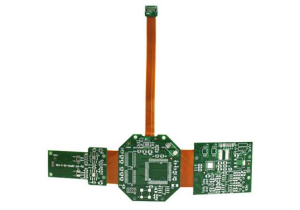
Rigid-flex PCBs have become increasingly popular in the electronics industry due to their ability to combine the benefits of both rigid and flexible PCBs in a single design. However, designing a rigid-flex PCB comes with its own set of challenges, particularly when it comes to signal integrity. Signal integrity issues can arise from a variety of factors, including impedance mismatches, crosstalk, and electromagnetic interference. In this article, we will explore some of the common signal integrity challenges faced in rigid-flex PCB design and discuss potential solutions to overcome them.
Impedance mismatches are a common source of signal integrity issues in rigid-flex PCBs. When the impedance of a signal trace changes abruptly, it can lead to signal reflections and distortions, ultimately affecting the overall performance of the PCB. To mitigate impedance mismatches, designers can use controlled impedance routing techniques, such as differential pair routing and impedance matching structures. By carefully designing the trace widths and layer stackup, designers can ensure that the impedance remains consistent throughout the PCB, minimizing signal reflections and maintaining signal integrity.
Crosstalk is another significant challenge in rigid-flex PCB design, especially in designs with high-speed signals. Crosstalk occurs when signals on adjacent traces interfere with each other, leading to signal distortion and potential data errors. To reduce crosstalk, designers can implement techniques such as spacing the traces further apart, using shielding techniques, and employing differential signaling. By carefully planning the layout of the PCB and minimizing the coupling between traces, designers can effectively reduce crosstalk and improve signal integrity.
Electromagnetic interference (EMI) is another critical factor to consider in rigid-flex PCB design. EMI can be generated by high-speed signals, power supplies, and other electronic components on the PCB, leading to signal degradation and potential compliance issues. To mitigate EMI, designers can use techniques such as proper grounding, shielding, and signal routing. By separating high-speed signals from sensitive analog signals, designers can minimize the impact of EMI on signal integrity and ensure reliable performance of the PCB.
In addition to these challenges, thermal management is another important consideration in rigid-flex PCB design. The combination of rigid and flexible materials in a single design can lead to uneven heat distribution, potentially affecting the performance and reliability of the PCB. To address thermal issues, designers can use thermal vias, heat sinks, and proper ventilation to dissipate heat effectively. By carefully planning the placement of components and ensuring adequate thermal relief, designers can prevent overheating and ensure the long-term reliability of the PCB.
In conclusion, designing a rigid-flex PCB comes with its own set of challenges, particularly when it comes to signal integrity. Impedance mismatches, crosstalk, EMI, and thermal management are all critical factors that designers must consider to ensure the reliable performance of the PCB. By implementing controlled impedance routing, crosstalk reduction techniques, EMI mitigation strategies, and proper thermal management, designers can overcome these challenges and create high-performance rigid-flex PCB designs that meet the demands of today’s electronics industry.