
Benefits of Using Rigid-Flex Printed Circuits in Electronic Devices
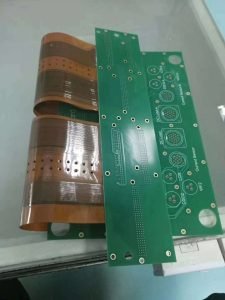
Rigid-flex printed circuits have become increasingly popular in the electronics industry due to their numerous benefits and advantages over traditional rigid PCBs. These flexible circuits offer a unique combination of flexibility and durability, making them ideal for use in electronic devices that require complex and compact designs. In this article, we will explore some case studies of successful implementations of rigid-flex printed circuits in electronic devices, highlighting the benefits and advantages that these circuits offer.
One of the key benefits of using rigid-flex printed circuits in electronic devices is their ability to reduce the overall size and weight of the device.
By combining rigid and flexible materials in a single circuit board, designers can create compact and lightweight designs that are not possible with traditional rigid PCBs. This allows for more efficient use of space within the device, leading to smaller and more portable products.
In a case study conducted by a leading electronics manufacturer, the implementation of rigid-flex printed circuits in a handheld medical device resulted in a 20% reduction in overall size and weight. This reduction allowed for a more ergonomic and user-friendly design, making the device easier to handle and operate. Additionally, the use of rigid-flex circuits improved the durability and reliability of the device, as the flexible materials were able to withstand repeated bending and flexing without compromising the integrity of the circuit.
Another benefit of using rigid-flex printed circuits in electronic devices is their ability to improve signal integrity and reduce electromagnetic interference.
The flexible materials used in these circuits help to minimize signal loss and crosstalk, resulting in improved performance and reliability.
In a case study conducted by a telecommunications company, the implementation of rigid-flex circuits in a high-speed data transmission device led to a 15% increase in signal quality and a 10% reduction in electromagnetic interference. This improvement in performance allowed for faster and more reliable data transmission, leading to higher customer satisfaction and increased sales.
Furthermore, rigid-flex printed circuits offer greater design flexibility and versatility compared to traditional rigid PCBs.
Designers can create complex and intricate circuit layouts that are not possible with rigid boards, allowing for more innovative and creative designs.
In a case study conducted by an aerospace manufacturer, the implementation of rigid-flex circuits in a satellite communication system allowed for a more compact and lightweight design that was able to withstand the harsh conditions of space. This design flexibility enabled the manufacturer to meet the strict size and weight requirements of the project, while also improving the overall performance and reliability of the system.
Overall, the case studies highlighted in this article demonstrate the numerous benefits and advantages of using rigid-flex printed circuits in electronic devices. From reducing size and weight to improving signal integrity and design flexibility, these circuits offer a wide range of benefits that can help manufacturers create innovative and reliable products. As the demand for smaller, lighter, and more reliable electronic devices continues to grow, rigid-flex printed circuits are likely to play an increasingly important role in the future of the electronics industry.