
Benefits of Flex Rigid PCBs in Modern Electronics Industry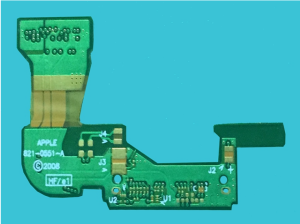
Flex rigid PCBs, also known as flexible printed circuit boards, have revolutionized the electronics industry with their ability to bend and twist without compromising functionality. These innovative circuit boards are made up of both flexible and rigid materials, allowing for increased design flexibility and reliability in a wide range of electronic devices. As technology continues to advance at a rapid pace, the demand for more compact and durable electronic components has never been higher. Flex rigid PCBs have emerged as a key solution to meet these evolving needs.
One of the main benefits of flex rigid PCBs is their ability to save space in electronic devices. Traditional rigid PCBs are limited in their design flexibility, often requiring additional connectors and cables to accommodate complex layouts. Flex rigid PCBs, on the other hand, can be bent and folded to fit into tight spaces, reducing the overall size of the device. This not only allows for more compact and lightweight products but also improves the overall aesthetics of the final design.
In addition to space-saving benefits, flex rigid PCBs offer improved reliability compared to traditional rigid PCBs. The combination of flexible and rigid materials in these circuit boards results in a more robust construction that can withstand bending and twisting without compromising performance. This increased durability is especially important in applications where the electronic device may be subjected to harsh environmental conditions or frequent movement.
Furthermore, flex rigid PCBs can help streamline the manufacturing process by reducing the number of components needed in a design. By eliminating the need for additional connectors and cables, manufacturers can simplify assembly and reduce the risk of potential failure points. This not only saves time and resources but also improves the overall quality and longevity of the electronic device.
Another key advantage of flex rigid PCBs is their ability to support high-speed data transmission. The flexible nature of these circuit boards allows for tighter signal paths, reducing signal loss and interference. This is crucial in applications where data integrity is paramount, such as in high-speed communication systems or advanced computing devices. By utilizing flex rigid PCBs, manufacturers can ensure reliable and efficient data transmission in their products.
As the demand for smaller, more reliable electronic devices continues to grow, the importance of flex rigid PCBs in the modern electronics industry cannot be overstated. These innovative circuit boards offer a range of benefits, from space-saving design flexibility to improved reliability and high-speed data transmission capabilities. By incorporating flex rigid PCBs into their designs, manufacturers can stay ahead of the curve and meet the evolving needs of consumers in a rapidly changing technological landscape.
In conclusion, flex rigid PCBs represent a significant advancement in the field of electronics manufacturing. Their unique combination of flexibility, durability, and high-speed data transmission capabilities make them an ideal choice for a wide range of applications. As technology continues to evolve, the demand for more compact and reliable electronic devices will only continue to increase. Flex rigid PCBs offer a solution to meet these demands, providing manufacturers with the tools they need to create innovative and cutting-edge products that push the boundaries of what is possible in the world of electronics.