
Benefits of Using Rigid-Flexible PCBs in Electronics Manufacturing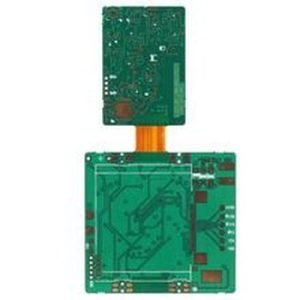
Rigid-flex PCBs have become increasingly popular in electronics manufacturing due to their numerous benefits.
These boards combine the advantages of both rigid and flexible PCBs, offering a solution that is both durable and versatile.
In this article, we will explore the benefits of using rigid-flex PCBs in electronics manufacturing and discuss best practices for their production and SMT assembly.
One of the key benefits of using rigid-flex PCBs is their ability to reduce the overall size and weight of electronic devices.
By eliminating the need for connectors and cables, rigid-flex PCBs can help manufacturers create more compact and lightweight products.
This is especially important in industries such as aerospace and medical devices, where space and weight constraints are critical.
Another advantage of rigid-flex PCBs is their improved reliability. Traditional PCBs are prone to failure due to the stress placed on the board during assembly and use. Rigid-flex PCBs, on the other hand, are designed to withstand bending and flexing without compromising their performance.
This makes them ideal for applications that require frequent movement or vibration.
In addition to their size and reliability benefits, rigid-flex PCBs also offer improved signal integrity. The flexible portions of the board can be used to route high-speed signals, reducing signal loss and improving overall performance. This is particularly important in applications such as high-speed data transmission and RF communication.
When it comes to production and SMT assembly of rigid-flex PCBs, there are several best practices that manufacturers should follow to ensure the highest quality and reliability. One of the most important steps in the production process is designing the board with proper bend radius and trace routing.
This will help prevent cracking and delamination of the board during bending and flexing.
It is also crucial to choose the right materials for rigid-flex PCB production. High-quality materials such as polyimide and FR-4 are commonly used for rigid-flex PCBs due to their durability and flexibility. Manufacturers should also pay attention to the thickness of the materials, as thinner materials can improve flexibility but may be more prone to damage.
During SMT assembly, it is important to use the right soldering techniques to ensure proper bonding of components to the board.
Manufacturers should also pay attention to thermal management to prevent overheating of the board during assembly.
Proper inspection and testing of the finished board are also essential to identify any defects or issues before the board is deployed in the field.
Overall, rigid-flex PCBs offer numerous benefits for electronics manufacturing, including reduced size and weight, improved reliability, and enhanced signal integrity. By following best practices for production and SMT assembly, manufacturers can ensure that their rigid-flex PCBs meet the highest quality standards and deliver optimal performance in a wide range of applications.