
AI-Optimized Neural Interfacing Rigid-Flex PCB for Next-Gen Brain-Machine Implants
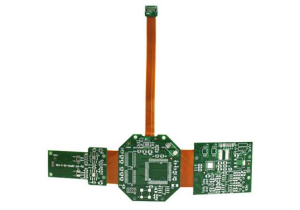
AI-optimized neural interfacing rigid-flex PCBs are revolutionizing the landscape of brain-machine implants.
These advanced circuits offer a unique blend of flexibility, durability, and precision that is crucial for effectively connecting neural signals with external devices.
In a world where technology and biology are increasingly intertwined, such innovations pave the way for groundbreaking applications in healthcare and human augmentation.
The Importance of Neural Interfaces
Neural interfaces are essential for enabling communication between the brain and external devices, such as prosthetics, computers, and even smart home technologies.
Traditional approaches often employ rigid circuit boards, which can be cumbersome and uncomfortable when implanted.
This discomfort may hinder their integration into daily life.
Here, the emergence of AI-optimized rigid-flex designs offers a solution, providing a combination of rigidity and flexibility that conforms to the dynamic contours of the human body.
What is Rigid-Flex PCB?
Rigid-flex PCBs incorporate both rigid and flexible sections within the same board.
This design allows for greater connectivity in confined spaces while maintaining structural integrity.
These boards are especially beneficial in brain-machine interfaces (BMIs) because they can adapt to the shifting anatomy of the brain, creating a more reliable connection without sacrificing performance.
The combination of materials used in constructing rigid-flex PCBs contributes to their lightweight and compact form, which is perfect for extended neural implant use.
Leveraging AI in Design and Functionality
AI’s role in optimizing these circuits goes beyond mere design improvements.
Machine learning algorithms can analyze vast amounts of brain data to identify patterns and optimize signal processing in real-time.
This adaptability allows brain-machine interfaces to become more intuitive and efficient, ultimately leading to better user experiences.
By leveraging AI, developers can create neural interfaces that learn and evolve with the user, improving functionality over time.
Enhanced Signal Processing
One of the critical challenges in neural interfacing is dealing with the noise that comes from biological signals.
AI algorithms can filter out unwanted noise, enhancing signal clarity. This increased accuracy is vital for effective communication between the brain and external devices.
Through continuous learning, these systems can adapt to changes in neural signals, ensuring seamless operation in various conditions.
Predictive Analytics for Better Integration
AI-optimized neural interfacing designs can also deploy predictive analytics to anticipate user needs.
By understanding the context of brain activity, these implants can preemptively adjust their functions, providing a more responsive interface.
For example, if data suggests a user plans to perform a particular action, such as moving a prosthetic limb, the device can activate in advance, creating a more natural and seamless experience.
Challenges in Implementation
Despite the tremendous promise of AI-optimized rigid-flex PCBs, several challenges remain in their widespread adoption.
Regulatory hurdles pose significant barriers to market entry, as these devices raise ethical and safety concerns.
The long-term effects of brain-machine interfaces are still not entirely understood, requiring extensive clinical trials before they can be approved for widespread use.
Another challenge lies in the integration of AI algorithms into solid hardware frameworks.
While the software may offer advantages, manufacturers must ensure that the physical devices are compatible with these advanced technologies.
Balancing durability, flexibility, and complexity can complicate the development process.
Future Directions in Neural Interfacing
As we look forward, the marriage of AI and neural interfacing technologies seems set to grow beyond current expectations.
The potential for enhanced user autonomy, improved health monitoring, and greater integration of human capabilities with machines marks a bright future for advanced brain-machine interfaces.
Further research will likely focus on improving the miniaturization of components, increasing data transmission rates, and ensuring long-term biocompatibility.
As we explore AI-optimized designs, the field will undoubtedly evolve, giving rise to new possibilities that were once merely the realm of science fiction.
Conclusion
AI-optimized neural interfacing rigid-flex PCBs represent a significant leap forward in brain-machine implant technology.
These sophisticated designs enhance connectivity while providing the flexibility necessary for comfortable and sustainable use.
As technology continues to advance, the collaboration between AI and neural interfaces will likely produce exceptional outcomes, merging human cognition with machine efficiency in ways previously unimagined.
The path ahead is filled with possibilities, not only for individuals requiring assistance but also for enhancing human capabilities across various fields.