
Advantages of AI-Optimized Neural Interfacing Rigid-Flex Technology
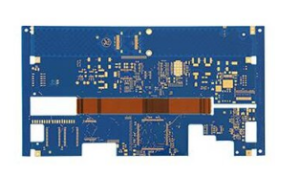
Advances in technology have revolutionized the field of neuroscience, particularly in the development of brain-machine interfaces (BMIs).
One of the most promising technologies in this area is AI-optimized neural interfacing rigid-flex technology.
This cutting-edge technology combines artificial intelligence (AI) algorithms with flexible and rigid materials to create next-generation brain-machine implants that
offer numerous advantages over traditional interfaces.
One of the key advantages of AI-optimized neural interfacing rigid-flex technology is its ability to improve the accuracy and reliability of neural signals.
By using AI algorithms to analyze and interpret neural signals, these implants can more effectively translate the brain’s electrical activity into commands for external devices. This results in more precise and responsive control of prosthetic limbs, computer interfaces, and other devices, ultimately improving the quality of life for individuals with disabilities.
Furthermore, AI-optimized neural interfacing rigid-flex technology offers enhanced adaptability and customization.
The flexible nature of the materials used in these implants allows them to conform to the shape of the brain, reducing the risk of tissue damage and
improving long-term compatibility. Additionally, the AI algorithms can be tailored to individual users, optimizing the performance of the implant based on their unique neural patterns and preferences.
Another advantage of this technology is its potential for real-time feedback and adjustment.
The AI algorithms can continuously monitor and analyze neural signals, allowing the implant to adapt to changes in the user’s brain activity.
This real-time feedback loop enables more natural and intuitive control of external devices, enhancing the user’s overall experience and functionality.
In addition to these benefits, AI-optimized neural interfacing rigid-flex technology offers improved energy efficiency and longevity.
The use of AI algorithms can help optimize power consumption, extending the battery life of the implant and reducing the need for frequent recharging or replacement. This increased efficiency not only benefits the user but also reduces the environmental impact of the technology.
Furthermore, AI-optimized neural interfacing rigid-flex technology has the potential to revolutionize the field of neuroscience research.
By providing researchers with more accurate and reliable tools for studying the brain, these implants can help advance our understanding of neural processes and disorders. This, in turn, could lead to new treatments and therapies for neurological conditions such as Parkinson’s disease, epilepsy, and spinal cord injuries.
Overall, AI-optimized neural interfacing rigid-flex technology represents a significant advancement in the field of brain-machine interfaces.
Its ability to improve the accuracy, adaptability, and energy efficiency of neural implants makes it a promising technology for enhancing the quality of life for individuals with disabilities and advancing our understanding of the brain.
As research in this area continues to progress, we can expect to see even more innovative applications and benefits of this groundbreaking technology.