
Improved Reliability and Durability
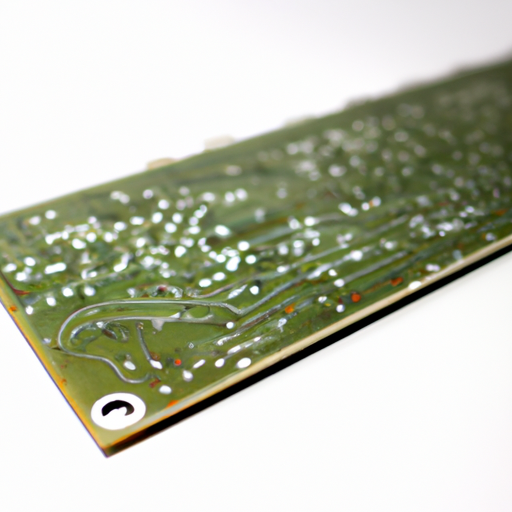
Rigid-flex PCBs, or printed circuit boards, have become increasingly popular in the electronics industry due to their numerous advantages and applications.
One of the key benefits of rigid-flex PCBs is their improved reliability and durability compared to traditional rigid PCBs.
This is particularly important in electronic devices that are subject to frequent movement or bending, such as smartphones, wearables, and automotive electronics.
The main advantage of rigid-flex PCBs in terms of reliability is their ability to withstand mechanical stress and vibration.
Traditional rigid PCBs are prone to cracking and breaking when subjected to repeated bending or flexing, which can lead to electrical failures and malfunctions. Rigid-flex PCBs, on the other hand, are designed to be more flexible and resilient, making them ideal for applications where durability is a key concern.
In addition to their improved mechanical reliability, rigid-flex PCBs also offer enhanced thermal performance.
The flexible portions of the PCB can dissipate heat more effectively than rigid PCBs, which helps to prevent overheating and prolong the lifespan of electronic components.
This is particularly important in high-performance electronic devices that generate a significant amount of heat during operation.
Another advantage of rigid-flex PCBs is their compact size and lightweight design.
By combining rigid and flexible PCBs into a single unit, manufacturers can reduce the overall size and weight of electronic devices, making them more portable and easier to handle.
This is especially beneficial in applications where space is limited, such as in medical devices, aerospace systems, and consumer electronics.
The improved reliability and durability of rigid-flex PCBs make them well-suited for a wide range of applications in the electronics industry.
One common application is in wearable devices, such as smartwatches and fitness trackers, where flexibility and durability are essential.
Rigid-flex PCBs can be integrated into the flexible bands and straps of these devices, allowing them to withstand constant movement and bending without compromising performance.
Automotive electronics is another key application area for rigid-flex PCBs, where reliability and durability are critical.
Rigid-flex PCBs can be used in automotive control systems, infotainment systems, and safety features to ensure reliable operation in harsh environments. The flexibility of rigid-flex PCBs also allows for more efficient routing of signals and power connections, reducing the overall complexity of automotive electronics systems.
In conclusion, the advantages and applications of rigid-flex PCBs in electronics are vast and varied.
Their improved reliability, durability, thermal performance, compact size, and lightweight design make them an ideal choice for a wide range of electronic devices and applications. Whether in wearable devices, automotive electronics, medical devices, or aerospace systems, rigid-flex PCBs offer a versatile and reliable solution for manufacturers looking to enhance the performance and longevity of their products.