
Benefits of Advanced Rigid-Flex PCB Design
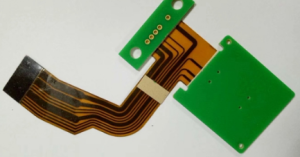
Advanced rigid-flex PCB design and assembly techniques offer a wide range of benefits for electronic devices and systems.
These techniques allow for greater flexibility and durability in PCBs, making them ideal for applications where space is limited or where the PCB needs to be bent or folded. In this article, we will explore some of the key benefits of advanced rigid-flex PCB design and assembly techniques.
One of the main benefits of advanced rigid-flex PCB design is the ability to reduce the overall size and weight of electronic devices.
By combining rigid and flexible PCBs into a single design, engineers can create PCBs that can be folded or bent to fit into tight spaces.
This can be particularly useful in applications where space is limited, such as in wearable devices or medical implants.
Another benefit of advanced rigid-flex PCB design is increased durability and reliability.
Traditional PCBs are prone to damage from bending or flexing, which can lead to broken traces or components.
Rigid-flex PCBs, on the other hand, are designed to withstand repeated bending and flexing without compromising the integrity of the circuit. This makes them ideal for applications where the PCB will be subject to mechanical stress or vibration.
In addition to increased durability, advanced rigid-flex PCB design can also improve signal integrity and reduce electromagnetic interference.
By carefully designing the layout of the rigid and flexible sections of the PCB, engineers can minimize signal loss and crosstalk, resulting in better performance and reliability.
This is particularly important in high-speed digital applications where signal integrity is critical.
Advanced rigid-flex PCB design also offers benefits in terms of assembly and manufacturing.
By combining multiple PCBs into a single design, engineers can reduce the number of interconnects and solder joints, simplifying the assembly process and reducing the risk of assembly errors. This can lead to faster production times and lower manufacturing costs, making rigid-flex PCBs a cost-effective solution for many applications.
Overall, advanced rigid-flex PCB design and assembly techniques offer a wide range of benefits for electronic devices and systems.
From reducing size and weight to improving durability and reliability, rigid-flex PCBs are an ideal solution for applications where space is limited or where the PCB needs to be bent or folded. By carefully designing the layout of the PCB and using advanced assembly techniques, engineers can create PCBs that offer superior performance and reliability in a wide range of applications.