
Advantages of Using Adhesive Innovations in Rigid-Flex Bonding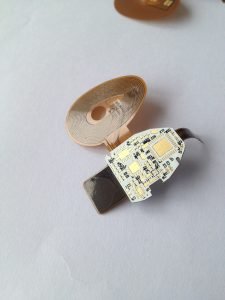
Adhesive innovations have played a crucial role in improving the reliability of rigid-flex bonding in electronic devices.
Rigid-flex circuits are becoming increasingly popular due to their ability to provide a compact and lightweight solution for complex electronic systems.
However, the bonding of rigid and flexible substrates in these circuits can be challenging, as traditional bonding methods may not provide the necessary strength and durability.
This is where adhesive innovations come into play, offering a range of benefits that can enhance the performance and longevity of rigid-flex circuits.
One of the key advantages of using adhesive innovations in rigid-flex bonding is improved bond strength.
Traditional bonding methods such as soldering or mechanical fastening may not provide a strong enough bond between rigid and flexible substrates, leading to potential reliability issues over time.
Adhesive innovations, on the other hand, can create a strong and durable bond that can withstand the rigors of everyday use.
This increased bond strength can help prevent delamination and cracking, ensuring the longevity of the rigid-flex circuit.
In addition to improved bond strength, adhesive innovations can also provide enhanced flexibility.
Rigid-flex circuits are designed to bend and flex during use, making it essential for the bonding materials to be able to withstand these movements without compromising the integrity of the circuit.
Adhesive innovations can offer a high degree of flexibility, allowing the rigid and flexible substrates to move independently while maintaining a strong bond between them.
This flexibility can help prevent stress on the circuit components, reducing the risk of failure due to bending or flexing.
Another advantage of using adhesive innovations in rigid-flex bonding is improved thermal performance.
Electronic devices generate heat during operation, which can put stress on the bonding materials and lead to reliability issues.
Adhesive innovations can offer enhanced thermal conductivity, helping to dissipate heat more effectively and reduce the risk of overheating.
This can help improve the overall performance and reliability of the rigid-flex circuit, ensuring that it can operate efficiently even under high temperatures.
Furthermore, adhesive innovations can also provide protection against environmental factors such as moisture and humidity.
Rigid-flex circuits are often used in harsh environments where they may be exposed to moisture, dust, or other contaminants.
Traditional bonding methods may not provide adequate protection against these environmental factors, leading to potential reliability issues.
Adhesive innovations can offer a high degree of resistance to moisture and humidity, helping to protect the circuit components and ensure reliable performance in challenging conditions.
Overall, the use of adhesive innovations in rigid-flex bonding can offer a range of benefits that can enhance the reliability and performance of electronic devices.
From improved bond strength and flexibility to enhanced thermal performance and protection against environmental factors, adhesive innovations can help ensure that rigid-flex circuits can operate efficiently and reliably in a variety of applications. By incorporating these innovative bonding materials into their designs, electronics manufacturers can create more robust and durable products that meet the demands of today’s increasingly complex electronic systems.