
Title: Enhancing IoT Security with Cybersecurity-Focused Rigid-Flex PCB Designs
In today’s interconnected world, the Internet of Things (IoT) has transformed the way devices and systems communicate and operate.
IoT devices are vulnerable to cyber threats due to their constant connectivity. To safeguard these systems, cybersecurity-focused rigid-flex PCB designs are becoming increasingly essential.
These specialized designs offer enhanced protection and resilience to IoT ecosystems, crucial for ensuring data security and privacy.
Let’s delve into the significance of cybersecurity-focused rigid-flex PCB designs in bolstering the security of IoT networks.
Understanding Cybersecurity-Focused Rigid-Flex PCB Designs
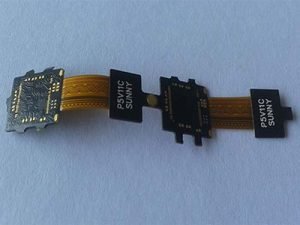
Cybersecurity-focused rigid-flex PCB designs combine the flexibility of flex circuits with the durability of rigid boards, creating a robust foundation for secure IoT devices.
These specialized PCBs incorporate advanced security features such as encryption, authentication mechanisms, and tamper-resistant components to prevent unauthorized access and data breaches.
By integrating security measures at the hardware level, cybersecurity-focused rigid-flex PCBs provide a secure framework for IoT devices to operate within.
The Importance of Security in IoT Ecosystems
As IoT devices continue to proliferate in various industries, ensuring the security of these interconnected systems is paramount.
A breach in IoT security can have far-reaching consequences, ranging from unauthorized access to sensitive data to compromising the overall functionality of critical systems.
Cybersecurity-focused rigid-flex PCB designs offer a proactive approach to mitigating these risks by fortifying the infrastructure of IoT networks against potential cyber threats.
Enhanced Protection and Resilience
One of the key benefits of cybersecurity-focused rigid-flex PCB designs is their ability to enhance the protection and resilience of IoT ecosystems.
By integrating security features directly into the hardware design, these specialized PCBs create a secure enclave for sensitive data and communication channels.
Moreover, the flexible nature of rigid-flex PCBs allows for compact and efficient designs, reducing the risk of physical tampering or intrusion.
Securing Data Transmission and Communication
In the realm of IoT, secure data transmission and communication are vital to maintaining the integrity and confidentiality of information exchange.
Cybersecurity-focused rigid-flex PCB designs enable secure communication protocols, encryption mechanisms, and secure boot processes that safeguard the flow of data within IoT networks.
By fortifying the backbone of IoT devices with robust security measures, these PCB designs establish a secure environment for seamless and protected communication.
Future Prospects and Advancements in IoT Security
As the IoT landscape continues to evolve, the demand for enhanced security measures will only increase.
Cybersecurity-focused rigid-flex PCB designs represent a significant advancement in addressing the security challenges faced by IoT ecosystems.
Innovations such as hardware-based security keys, secure elements, and intrusion detection mechanisms are paving the way for a more secure and resilient IoT infrastructure.
In conclusion, cybersecurity-focused rigid-flex PCB designs play a crucial role in fortifying IoT ecosystems against cyber threats and vulnerabilities.
By integrating advanced security features into the hardware design, these specialized PCBs provide a secure foundation for IoT devices to operate securely and reliably.
As the IoT industry progresses, embracing cybersecurity-focused rigid-flex PCB designs will be essential in building a protected and resilient IoT ecosystem.