
In today’s rapidly evolving world of technology, the Internet of Things (IoT) is revolutionizing the way we interact with devices and appliances.
With the IoT market growing at a staggering pace, manufacturers are constantly seeking innovative and cost-effective assembly strategies to keep up with the demand for IoT products.
One such strategy that has gained considerable traction is the use of rigid-flex technology in the assembly of mass-market IoT products.
This article explores the benefits and challenges of implementing cost-effective rigid-flex assembly strategies for mass-market IoT products.
Understanding Rigid-Flex Assembly
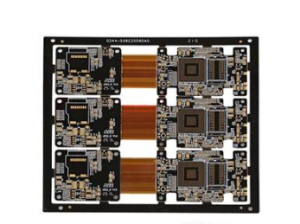
Rigid-flex assembly is a specialized manufacturing process that combines rigid and flexible substrates into a single circuit.
This technology offers a unique solution for designing electronic devices that require both rigid and flexible sections within the same board.
By integrating rigid and flexible substrates, manufacturers can achieve a higher level of functionality and durability in IoT products without compromising on space or design.
Benefits of Rigid-Flex Assembly for Mass-Market IoT Products
- Cost Efficiency: Rigid-flex assembly can help reduce overall production costs by eliminating the need for multiple separate PCBs, connectors, and cables.
This streamlined approach not only reduces material costs but also minimizes assembly time, resulting in significant cost savings for manufacturers. - Space Optimization: Mass-market IoT products often have strict size constraints, requiring manufacturers to pack more functionality into smaller spaces.
Rigid-flex technology enables compact designs that can easily fit into small form factors, making it ideal for IoT devices that prioritize portability and aesthetic appeal. - Reliability and Durability: The seamless integration of rigid and flexible materials in a single assembly enhances the reliability and durability of IoT products.
Rigid-flex boards are less susceptible to mechanical failures, such as solder joint cracks or connector issues, making them ideal for devices that undergo frequent movement or environmental stress.
Challenges and Solutions in Implementing Cost-Effective Rigid-Flex Assembly Strategies
While the benefits of rigid-flex assembly are compelling, there are challenges that manufacturers must overcome to implement cost-effective strategies for mass-market IoT products.
Some of the key challenges include:
- Design Complexity: Rigid-flex designs require careful consideration of electrical performance, mechanical constraints, and manufacturing processes.
To address this challenge, manufacturers can leverage advanced design software and engage closely with experienced PCB designers to optimize the layout and functionality of the rigid-flex assembly. - Material Selection: Choosing the right materials for rigid-flex assemblies is crucial to ensure reliability and performance.
By partnering with trusted material suppliers and conducting thorough material testing, manufacturers can select high-quality substrates that meet the specific requirements of mass-market IoT products. - Quality Control: Maintaining consistent quality across large-scale production runs is essential for cost-effective rigid-flex assembly. Implementing rigorous quality control measures, such as automated testing procedures and inspection protocols, can help identify and resolve potential issues early in the manufacturing process.
Conclusion
Cost-effective rigid-flex assembly strategies offer a compelling solution for manufacturers looking to meet the growing demand for mass-market IoT products.
By harnessing the benefits of rigid-flex technology, manufacturers can achieve efficient production processes, space-optimized designs, and enhanced reliability in their IoT product offerings.
With careful planning, strategic partnerships, and a focus on quality control, manufacturers can successfully implement cost-effective rigid-flex assembly strategies to drive innovation and growth in the competitive IoT market.