
The rapid advancement of technology has led to the development of innovative electronic devices, particularly smart wearables, that have transformed the way we interact with technology.
From fitness trackers to smartwatches, these devices offer a plethora of functionalities aimed at enhancing our daily lives.
However, one of the biggest challenges faced by manufacturers of battery-powered smart wearables is ensuring that these devices are energy-efficient to prolong battery life and maximize user experience.
This is where the role of energy-efficient rigid-flex PCBs comes into play.
What are Rigid-Flex PCBs?
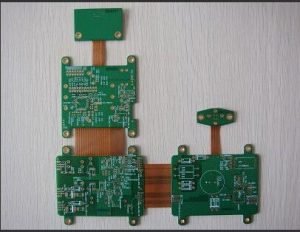
Rigid-flex PCBs, short for rigid-flexible printed circuit boards, are a hybrid of traditional rigid boards and flexible circuits.
These boards are designed to provide the best of both worlds, combining the rigidity of a traditional PCB with the flexibility of a flexible circuit.
The unique construction of rigid-flex PCBs allows for more compact designs and increased durability, making them an ideal choice for smart wearable devices where space is limited.
The Importance of Energy Efficiency in Smart Wearables
Smart wearables, such as smartwatches and fitness trackers, rely on battery power to function.
As these devices become more feature-rich, with capabilities like heart rate monitoring, GPS tracking, and notifications, the demand for power increases.
To prolong battery life and enhance user experience, it is crucial for manufacturers to focus on energy efficiency in the design of these devices.
Energy-efficient components, such as rigid-flex PCBs, play a significant role in achieving this goal.
Benefits of Energy-Efficient Rigid-Flex PCBs
- Compact Design: Rigid-flex PCBs allow for a more compact design, which is crucial for smart wearables where space is limited.
The flexible nature of these boards enables them to fit into tight spaces within the device, optimizing the use of available space and allowing for a sleek and slim form factor. - Improved Durability: The combination of rigid and flexible materials in rigid-flex PCBs results in enhanced durability.
Smart wearables are subjected to various stresses and movements during everyday use, and having a durable PCB that can withstand such conditions is essential for the longevity of the device. - Enhanced Reliability: Energy-efficient rigid-flex PCBs offer improved signal integrity and reduced electromagnetic interference, leading to enhanced reliability of the device.
This is crucial for smart wearables that rely on consistent and accurate data transmission for their functionalities to work effectively.
Integrating Energy-Efficient Rigid-Flex PCBs in Smart Wearables
Manufacturers of battery-powered smart wearables are increasingly turning to energy-efficient rigid-flex PCBs to optimize the performance of their devices.
By incorporating these advanced PCBs into their designs, manufacturers can achieve significant improvements in energy efficiency, battery life, and overall user experience.
The flexibility and versatility of rigid-flex PCBs make them an ideal choice for smart wearables, enabling designers to create innovative and efficient devices that meet the demands of today’s tech-savvy consumers.
Conclusion
In conclusion, the integration of energy-efficient rigid-flex PCBs in battery-powered smart wearables plays a crucial role in enhancing the performance and user experience of these devices.
With the demand for feature-rich smart wearables on the rise, manufacturers must focus on energy efficiency to prolong battery life and ensure optimal functionality.
Rigid-flex PCBs offer a versatile and efficient solution for achieving these goals, making them a key component in the design and development of the next generation of smart wearable devices.