
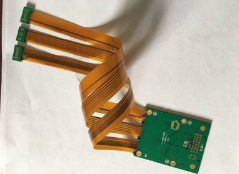
Smart home devices have revolutionized the way we interact with our living spaces, offering convenience, efficiency, and connectivity like never before.
From smart thermostats to security cameras, these devices enrich our daily lives.
However, the increasing complexity and power demands of such devices have created a need for robust thermal management solutions, especially in rigid-flex assemblies.
In this article, we will explore the importance of thermal management solutions in rigid-flex assemblies for high-power smart home devices, discussing the challenges they present and the strategies to effectively address them.
Understanding Rigid-Flex Assemblies in Smart Home Devices
Rigid-flex assemblies combine the best features of rigid and flexible PCBs, allowing for more compact and versatile designs in smart home devices.
However, these assemblies present unique thermal challenges due to their complex structure and the incorporation of high-power components.
Heat generated by components such as processors, sensors, and wireless modules can impact the performance and reliability of the device if not managed effectively.
The Impact of Heat on Smart Home Devices
Excessive heat can lead to accelerated component degradation, reduced lifespan, and even system failures in smart home devices.
Inadequate thermal management can also affect the device’s overall performance and compromise user experience.
As consumers demand more powerful and feature-rich smart home devices, manufacturers must invest in efficient thermal solutions to ensure product reliability and longevity.
Importance of Thermal Management Solutions
Effective thermal management is crucial for maintaining the optimal operating temperature of high-power smart home devices.
By implementing appropriate thermal solutions, such as heat sinks, thermal interface materials, and cooling mechanisms, manufacturers can enhance the device’s thermal performance and ensure long-term reliability.
These solutions not only prevent overheating but also contribute to energy efficiency and overall product safety.
Challenges in Thermal Management for Rigid-Flex Assemblies
Rigid-flex assemblies present specific challenges when it comes to thermal management.
The integration of both rigid and flexible PCBs complicates the heat dissipation process, requiring careful consideration of material properties, component placement, and airflow within the assembly.
Designing effective thermal paths and addressing thermal hotspots in these assemblies is essential to prevent overheating and ensure reliable operation of the smart home device.
Strategies for Effective Thermal Management
To address the thermal challenges in rigid-flex assemblies for high-power smart home devices, manufacturers can adopt several strategies.
These include optimizing the layout for efficient heat dissipation, selecting materials with high thermal conductivity, and implementing active cooling solutions where necessary.
Thermal simulation and testing play a crucial role in evaluating the effectiveness of these strategies and fine-tuning the thermal management system.
Conclusion
In conclusion, thermal management solutions are indispensable in ensuring the reliable operation of high-power smart home devices with rigid-flex assemblies.
By addressing the thermal challenges inherent in these assemblies, manufacturers can deliver products that meet the demands of the increasingly connected and sophisticated smart home ecosystem.
Investing in effective thermal management not only enhances product performance and longevity but also contributes to a positive user experience.
As the smart home industry continues to evolve, prioritizing thermal management in design and development processes will be key to staying ahead in the competitive market.