
The rapid evolution of smartphone technology has led to a continual push for more innovative and futuristic designs.
Among the latest trends in smartphone design are ultra-thin rigid-flex circuits, which are playing a vital role in enabling the creation of slimmer and more versatile foldable smartphones.
These cutting-edge circuitry solutions are revolutionizing the way smartphones are designed and are paving the way for a new era of sleek, compact, and flexible devices that blend seamlessly with our modern lifestyles.
The Rise of Foldable Smartphones
Foldable smartphones represent a major breakthrough in the smartphone industry, offering users a unique combination of portability and functionality.
They allow for larger screen sizes without compromising on the convenience of carrying a slim and compact device.
The success of foldable smartphones, however, hinges on the development of advanced technologies that can support their flexible and durable design.
Understanding Ultra-Thin Rigid-Flex Circuits
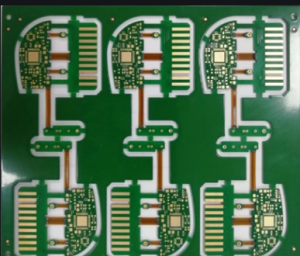
Ultra-thin rigid-flex circuits are at the forefront of this technological revolution.
These circuits combine the benefits of rigid and flexible PCB (Printed Circuit Board) designs, providing the necessary strength and durability while allowing for unique form factors and flexibility.
The ultra-thin nature of these circuits is made possible through advanced manufacturing techniques that minimize the thickness of the materials without compromising on performance.
Key Benefits and Features
One of the primary benefits of ultra-thin rigid-flex circuits is their ability to enable seamless integration of components in tight spaces.
This is crucial for foldable smartphones, where every millimeter of space matters.
These circuits also offer enhanced reliability and signal integrity, ensuring optimal performance even in the most demanding usage scenarios.
Additionally, their flexible nature allows for innovative design possibilities, opening up new avenues for smartphone manufacturers to explore.
Slimmer Profile, Enhanced User Experience
The integration of ultra-thin rigid-flex circuits in foldable smartphones has profound implications for device design and user experience.
By reducing the overall thickness of the device, these circuits contribute to a slimmer profile that enhances the aesthetic appeal and ergonomics of the smartphone.
Users can enjoy a more comfortable grip and a sleeker device that seamlessly fits into their lifestyle.
Enabling Future Innovations
As smartphone manufacturers continue to push the boundaries of design and technology, ultra-thin rigid-flex circuits will play an increasingly integral role in enabling future innovations.
From enhanced foldable displays to next-generation connectivity features, these circuits will be at the heart of the advancements that shape the smartphones of tomorrow.
With their versatility, durability, and performance, ultra-thin rigid-flex circuits are set to define the future of smartphone design.
Conclusion
In conclusion, the evolution of smartphone design is being driven by groundbreaking technologies like ultra-thin rigid-flex circuits.
These advanced circuitry solutions are empowering smartphone manufacturers to create slimmer, more versatile, and highly functional foldable smartphones that cater to the evolving needs of users.
As we look towards the future of smartphone innovation, it is clear that ultra-thin rigid-flex circuits will continue to be a driving force behind the next generation of sleek and futuristic devices.