
Energy-Efficient Rigid-Flex PCBs for Battery-Powered Smart Wearables
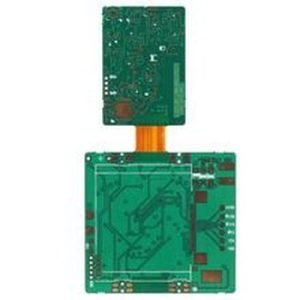
Energy-efficient rigid-flex PCBs are revolutionizing the world of battery-powered smart wearables.
As technology becomes more integrated into our daily lives, the demand for compact and efficient devices has surged.
Smart wearables such as fitness trackers, smartwatches, and health-monitoring devices need to be lightweight, powerful, and energy-efficient to offer continuous performance without frequent battery recharges.
In this article, we will explore how rigid-flex PCBs meet these essential requirements and drive innovation in the wearables market.
Understanding Rigid-Flex PCBs
Rigid-flex PCBs combine the best of both rigid and flexible printed circuit boards into one cohesive unit.
This distinctive structure allows designers to create circuits that can bend, twist, and flexmentally, fitting unconventional shapes.
Unlike traditional circuit boards that are only rigid or flexible, rigid-flex designs support complex circuitry while saving space.
The energy-efficient aspect comes from their ability to reduce the amount of material used and minimize excess wiring.
This leads to lighter devices with optimized performance—critical for wearables that continually interact with sensors, displays, and wireless communications.
Advantages of Rigid-Flex PCBs for Wearables
- Lightweight and Compact Design
Rigid-flex PCBs are inherently lighter than traditional boards due to their reduced material usage.
This lightweight characteristic is paramount for wearables designed for prolonged use. Devices that are too heavy can lead to user discomfort and limited functionality. - Enhanced Durability
Wearables are often subject to physical stress, whether from user movement or environmental factors.
Rigid-flex PCBs exhibit excellent durability, resisting damage and maintaining performance.
Their robust structure means that wearables can withstand harsh conditions, making them suitable for outdoor or active lifestyles. - Improved Signal Integrity
The design of rigid-flex PCBs minimizes signal loss due to their compact arrangement.
This is particularly important for applications that rely on real-time data, such as health monitoring and fitness tracking.
When the PCB quality is high, the overall performance and reliability of the wearable are significantly enhanced.
Energy Management in Smart Wearables
One of the key challenges with battery-powered devices is managing energy consumption effectively.
Rigid-flex PCBs can be designed with lower resistance pathways, which conserves battery life.
By implementing power-saving techniques like sleep modes and dynamic power scaling, manufacturers can optimize how energy is used.
Moreover, many smart wearables require constant connectivity.
Rigid-flex PCBs support advanced wireless technologies such as Bluetooth and Wi-Fi, maximizing performance without compromising energy efficiency.
Such advancements lead to longer device lifespans and improved user experience, especially for devices that rely on continuous data collection.
Integration of Advanced Technologies
As wearables become smarter, the integration of advanced technologies such as artificial intelligence (AI) and machine learning (ML) has grown.
These technologies can consume significant energy, which puts pressure on battery life.
However, rigid-flex PCBs can accommodate complex circuitry that supports these technologies while still focusing on energy efficiency.
Additionally, they can seamlessly integrate various sensors, from heart rate monitors to accelerometers, onto a single board.
This ultimately enhances versatility and functionality, allowing users to interact with a range of features without worrying about battery depletion.
Conclusion: The Future of Smart Wearables
As energy-efficient rigid-flex PCBs become more prevalent in the realm of smart wearables, they promise exciting developments.
The combination of lightweight design, durability, and enhanced energy management capabilities positions these PCBs as the backbone of future innovations in wearables.
Manufacturers can leverage these advances to create devices that not only meet but exceed consumer expectations for battery performance and functionality.
As technology continues to advance, the role of rigid-flex PCBs will only grow, further embedding smart wearables into the fabric of our daily lives.
The efficient integration of circuitry tailored to user needs will pave the way for a new era of wearable technology, ensuring that we remain connected without the burden of frequent battery changes.
In summary, energy-efficient rigid-flex PCBs are not just a trend; they are a vital component that will drive the future of wearable technology.
By focusing on durability, design, and advanced connectivity, these PCBs stand at the forefront of energy innovation in the wearable segment.