
Stretchable Photonics Rigid-Flex Integration for Wearable Biosensing
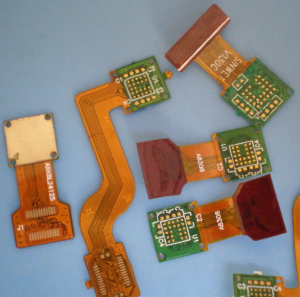
Stretchable photonics rigid-flex integration is at the forefront of technological innovation, revolutionizing the way we approach wearable biosensing.
This advanced integration not only enhances the functionality and flexibility of wearable devices but also opens new avenues for monitoring health in real time.
This article explores how this cutting-edge technology works, its benefits, and future applications in the world of wearable health monitoring.
Understanding Stretchable Photonics
Stretchable photonics combines the principles of traditional photonics with materials that can stretch and bend without losing their functionality.
This field has become increasingly relevant as the demand for wearable devices grows.
Unlike conventional electronic components, stretchable photonics uses materials like elastomers that can adapt to the contours of the human body.
This adaptability is vital for biosensing applications, where continuous skin contact is essential for accurate readings.
How Rigid-Flex Integration Works
Rigid-flex integration refers to the combination of rigid and flexible electronic components in a single system.
This design enables the construction of devices that maintain high performance while offering flexibility.
In a typical application, a rigid section may house sensitive photonic components, while the flexible parts can wrap around the body or adapt to various shapes.
- Material Selection: The choice of materials is crucial in this integration.
Advanced polymers, hydrogels, and other biocompatible materials are commonly used.
These materials not only allow for stretchability but also ensure that the devices are safe for prolonged skin contact. - Circuit Design: The design of circuits within these devices must accommodate both rigid and flexible components.
Engineers leverage innovative techniques to connect these components seamlessly, ensuring that performance remains uncompromised. - Manufacturing Techniques: Techniques such as 3D printing and laser fabrication are often employed to create intricate designs that are not only functional but also capable of being mass-produced.
This allows for scalable manufacturing, important for commercial applications.
Benefits of Stretchable Photonics Rigid-Flex Integration
The integration of stretchable photonics in wearable biosensing devices offers numerous advantages:
- User Comfort: The flexibility of these devices enables them to conform to the body, significantly improving user comfort compared to rigid devices.
This is essential for devices meant for long-term wear. - Enhanced Performance: With the use of advanced sensor technology, stretchable photonics can provide highly accurate real-time biosensing.
Whether it’s monitoring glucose levels, heart rate, or other vital signs, these devices can deliver data quickly and reliably. - Durability: Traditional wearable devices often suffer from wear and tear, especially when subjected to the motions of daily life.
Stretchable photonics are designed to withstand such stresses, leading to longer-lasting products. - Versatility: These devices can easily be integrated into clothing or accessories, making them suitable for various applications.
From healthcare to fitness and even fashion, the potential is vast.
Future Applications in Wearable Biosensing
As technology continues to evolve, the potential applications of this integration are promising.
Researchers and developers are exploring various avenues:
- Chronic Disease Management: Wearable devices equipped with stretchable photonics can help in the continuous monitoring of chronic diseases, providing real-time feedback to users and healthcare providers.
- Sports and Fitness: Athletes can benefit from enhanced performance metrics, facilitating training optimization and injury prevention.
- Elderly Care: For aging populations, wearable biosensing devices could provide critical health information, enabling prompt medical intervention if needed.
- Fashion Technology: The integration of photonics into clothing can lead to innovative designs that can change color based on body temperature or other biometric data.
Conclusion
Stretchable photonics rigid-flex integration is transforming wearable biosensing technology, making it more accessible and effective than ever before.
By leveraging advanced materials and innovative design, this technology not only enhances user experience but also improves the quality of health data collected.
As these devices become more prevalent, they hold the potential to significantly impact individual health management and the broader field of medical technology.
The future of wearable biosensing is bright, and stretchable photonics are paving the way for a healthier tomorrow.