
High-Density Neural Recording Rigid-Flex with On-Board Signal Processing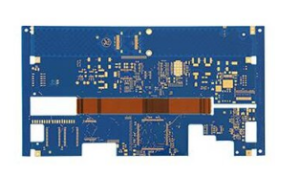
High-density neural recording rigid-flex technology has been making significant strides in neuroscience research and medical applications.
This innovative approach enables researchers and clinicians to gain deeper insights into brain activity, facilitating advancements in our understanding of neurological disorders and the development of new therapeutic methods. In this article, we’ll explore the principles behind this technology, its applications, and the potential impact it could have on the field of neuroscience.
Understanding High-Density Neural Recording
High-density neural recording involves the measurement of electrical signals from multiple neurons simultaneously.
This is crucial for understanding complex brain functions as individual neurons often communicate in networks.
Traditional methods, such as single-electrode recordings, provide limited information and usually focus on one or a few signals at a time.
High-density systems, however, can collect data from multiple sites at once, providing a richer dataset for analysis.
Advantages of Rigid-Flex Technology
One of the standout aspects of high-density neural recording systems is the use of rigid-flex technology.
Unlike traditional rigid electrodes, rigid-flex configurations combine the best of both worlds—rigidity for support and flexibility for comfort.
This design allows for better adherence to the brain’s surface while accommodating the intricate contours of neural tissue.
Benefits of Flexible Electronics
Flexible electronics are noted for their biocompatibility, which minimizes tissue rejection and inflammation.
This decreases the likelihood of complications during long-term recordings, crucial for chronic studies.
Additionally, the flexibility allows researchers to explore a broader range of brain regions, which was challenging with rigid systems.
High-Density Features: A Game Changer
The capacity to record from many electrodes per unit area offers several benefits.
With high-density features, researchers can pinpoint neuronal activities that lead to specific cognitive functions or responses to stimuli.
The unprecedented resolution achieved through dense arrays allows for studying microcircuits within larger neural networks.
On-Board Signal Processing: A Step Forward
Another critical feature of high-density neural recording systems is on-board signal processing.
Traditional systems often required external hardware to interpret and analyze data, which could introduce latency and complicate setups.
On-board processing streamlines this by converting raw signals into usable data in real-time.
Streamlining Data Collection
On-board processing reduces the time from data collection to analysis.
It provides immediate insights, allowing researchers to make quick adjustments to their experiments as needed.
For example, if a specific brain region shows unexpected activity, researchers can reconfigure their approach without waiting for external analysis.
Enhancing Signal Integrity
On-board processing can also enhance signal integrity by filtering out noise and amplifying relevant signals.
This is particularly important in neural studies, where unwanted electrical interference can distort readings.
By processing signals on-board, the system can ensure that researchers are working with the highest quality data possible, leading to more accurate interpretations of brain activity.
Applications in Neuroscience
The applications of high-density neural recording systems with on-board signal processing are manifold, touching various aspects of neuroscience.
Understanding Neurological Disorders
Researchers are using these technologies to study conditions like epilepsy, Alzheimer’s disease, and Parkinson’s disease.
High-density recordings can reveal patterns of activity associated with these disorders, helping clinicians develop targeted treatments.
Monitoring changes in neural activity can also assist in predicting seizures or other acute episodes, providing vital information for patient management.
Brain-Computer Interfaces
Another exciting application is in the realm of brain-computer interfaces (BCIs).
High-density recordings can significantly improve the accuracy and responsiveness of BCIs, which allow people with disabilities to control devices using their thoughts.
By integrating these advanced systems, BCIs can produce faster and more reliable outcomes, enhancing user experience.
Research in Cognitive Functions
In research settings, high-density neural recordings are being employed to investigate cognitive processes such as memory, decision-making, and sensory perception.
Such insights are essential in developing therapies for disorders affecting these functions and can lead to a better understanding of human cognition.
Future Trends
As technology progresses, the future of high-density neural recording with on-board signal processing looks bright.
Innovations in miniaturization, wireless data transmission, and machine learning are poised to take this field even further.
Potential developments include even more compact devices, greater channel counts, and advanced algorithms capable of analyzing neural data in real-time.
In summary, high-density neural recording rigid-flex with on-board signal processing represents a significant advancement in neuroscience.
By merging flexibility with advanced signal processing capabilities, this technology is set to revolutionize our understanding of the brain, paving the way for new applications that can ultimately improve the quality of life for many individuals with neurological conditions.
The ongoing development and refinement of these systems promise to unlock even greater insights into the complex workings of the human mind.