
Rigid-Flex PCB Design Cost vs. Traditional PCBs: A Comparative Analysis
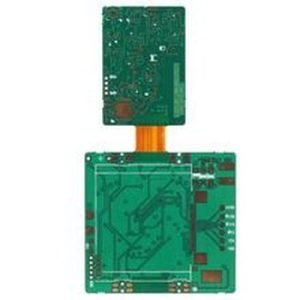
Rigid-flex PCB design cost is often a pivotal factor in the decision-making process for electronic development.
As technology advances and industries strive for innovation, the choice between rigid-flex PCBs and traditional PCBs is becoming increasingly important.
This comparative analysis delves into several factors that influence the costs associated with these two types of printed circuit boards.
Understanding Rigid-Flex PCB Design
Rigid-flex PCBs integrate both rigid and flexible substrates into a single assembly.
This unique combination allows for complex designs that can save space and improve reliability, particularly in applications where weight and form factor are critical.
Commonly used in the automotive, medical, and aerospace industries, rigid-flex designs offer advantages like reduced assembly time and enhanced durability.
In contrast, traditional PCBs consist entirely of rigid materials or flexible materials, making them more straightforward but sometimes less versatile.
They are predominantly utilized in basic electronics, where the layout requirements are less complex.
Initial Cost Comparison
When evaluating rigid-flex PCB design cost versus traditional PCBs, one must consider the initial costs involved in production.
Rigid-flex PCBs generally come with higher material and manufacturing costs.
The use of advanced materials and complex layering required for rigid-flex boards leads to increased expenses.
The additional processes involved in fabricating these boards—such as lamination and drilling through flex layers—add to the overhead.
Conversely, traditional PCBs usually have lower production costs, given their simpler manufacturing processes.
They can often be produced in bulk more economically, resulting in a decreased cost per unit.
Long-term Cost Implications
While rigid-flex designs may require a larger upfront investment, they can yield significant savings over time.
Reduced assembly time and fewer components mean that manufacturers spend less on labor and assembly.
The lightweight nature of rigid-flex boards can also result in cost savings on shipping and storage, particularly for industries where transportation costs are crucial.
Traditional PCBs, while cheaper to produce initially, may lead to higher long-term costs due to assembly complexity and reliability issues.
For example, if a traditional PCB requires additional connectors or enclosures to function effectively, these costs can accumulate quickly.
Additionally, the failure rates of traditional boards can lead to increased warranty claims and replacement expenses.
Design Complexity and Cost
Design complexity is another crucial factor in the cost comparison.
Rigid-flex designs offer a greater degree of flexibility in layout options, allowing engineers to create intricate circuits that might not fit within the constraints of a traditional PCB.
This design versatility can enhance product performance and reduce the overall number of components, which further drives costs down in certain scenarios.
However, the complex design process for rigid-flex PCBs can also add costs in the initial stages of development.
More skilled engineering resources may be required to create these designs, and simulation and prototyping can take longer.
Traditional PCBs, with their more standard designs, typically have quicker turnaround times and fewer design-related expenses.
Applications
Different applications also influence the cost analysis between rigid-flex and traditional boards.
For high-tech applications such as smartphones, medical devices, or aerospace technology, the benefits of rigid-flex designs often outweigh their costs.
These boards can deliver superior performance, reduced weight, and enhanced functionality, making them worth the investment.
On the other hand, traditional PCBs may still hold significant merit in less complex applications, such as consumer electronics or home appliances.
In such cases, where the required functionalities are simpler, opting for traditional designs can be more cost-effective.
Conclusion
In summary, the decision between rigid-flex PCB design cost and traditional PCBs hinges on various factors, including initial and long-term costs, design complexity, and application.
While rigid-flex designs offer innovative solutions that can lead to long-term savings and improved performance, traditional boards may be better suited for simpler applications that do not demand advanced functionalities.
Each choice presents its own advantages and challenges, and understanding these nuances will enable manufacturers to make informed decisions that align with their specific needs and budget constraints.
As technology continues to evolve, the landscape of PCB design will likely shift, but the fundamental considerations surrounding cost will remain crucial in guiding choices.