
Conformal Rigid-Flex Arrays for High-Resolution Electrophysiological Mapping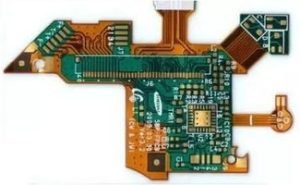
Conformal rigid-flex arrays have emerged as a groundbreaking technology in the field of electrophysiological mapping.
These innovative devices are designed to enhance the quality and precision of electrophysiological recordings from biological tissues, particularly in applications like cardiac and neural mapping.
By offering a unique combination of flexibility and rigidity, they provide significant advantages over traditional mapping systems.
Understanding Conformal Rigid-Flex Arrays
Conformal rigid-flex arrays are advanced electrode systems that integrate rigid conductive pathways with flexible structures.
This hybrid design allows them to conform to the complex shapes of various anatomical structures, making them particularly effective for high-resolution mapping.
The combination of rigid and flexible materials offers improved mechanical stability while maintaining the adaptability needed to fit diverse biological surfaces.
The Benefits of Hybrid Design
One of the primary benefits of using conformal rigid-flex arrays is their ability to maintain intimate contact with target tissues.
This is crucial for accurate recording of electrical signals from cells, as consistent contact can significantly enhance signal quality.
The rigid sections of the array provide stability, while the flexible parts adapt to the irregularities of the tissue surface.
Moreover, the hybrid nature of these arrays can facilitate the integration of a higher density of electrodes. More electrodes mean more data points for mapping, which is critical for detailed analysis.
For instance, in cardiac mapping, capturing precise electrical activity across the heart’s surface can lead to better understanding and treatment of arrhythmias.
Applications in Electrophysiological Mapping
Electrophysiological mapping is used in numerous medical fields, including cardiology, neurology, and even biopsies in cancer diagnoses.
The application of conformal rigid-flex arrays in these areas has been revolutionary.
Cardiac Mapping
In cardiac electrophysiology, detailed mapping is essential for identifying areas of abnormal electrical conduction that may lead to arrhythmias.
Conformal rigid-flex arrays can overlay the heart’s surface, capturing high-resolution data that can be used to guide interventions such as catheter ablation.
The ability to record from multiple points simultaneously can help cardiologists better understand the electrical pathways that lead to rhythm disturbances.
Neural Mapping
Similarly, in the realm of neuroscience, conformal arrays can adapt to the intricate folds and slopes of the brain’s surface.
High-resolution recordings from neural tissue are vital for studying brain function, diagnosing conditions like epilepsy, and developing therapeutic interventions such as deep brain stimulation.
The flexibility and conformability of these arrays allow them to follow the natural contours of neural structures, enhancing signal integrity and spatial resolution.
Biopsy Application
Emerging research also indicates potential uses for conformal rigid-flex arrays in biopsy applications, where electrical mapping can assist in identifying cancerous cells within biological tissues.
By facilitating the analysis of tissue electrical properties, these devices can offer insights that traditional imaging techniques may miss.
Technological Advancements
Recent advancements in material science have significantly enhanced the performance of conformal rigid-flex arrays.
The development of high-conductivity materials and innovative manufacturing techniques, like 3D printing and advanced lithography, have made it possible to produce arrays with even greater electrical fidelity and customization options.
Moreover, the integration of wireless technology into these arrays opens up new avenues for real-time data acquisition and analysis.
Wireless capabilities allow for easier implantation and the collection of long-duration recordings without the complications of tethered connections, which can affect patient comfort and mobility.
Challenges and Future Directions
Despite their many advantages, there are challenges associated with the implementation of conformal rigid-flex arrays.
Issues such as biocompatibility, long-term stability, and signal interference must be addressed to optimize their use in clinical settings.
Future research endeavors will likely focus on enhancing material properties and developing novel designs that can withstand the biological environment while providing reliable data.
Moreover, as the need for precision medicine grows, the integration of conformal rigid-flex arrays with artificial intelligence and machine learning could potentially revolutionize the way data is analyzed, providing even more nuanced insights into patient conditions.
Conclusion
Conformal rigid-flex arrays represent a significant technological advancement in the field of electrophysiological mapping.
With their unique combination of flexibility and rigidity, they promise to improve the accuracy and detail of electrical recordings from various biological tissues.
As research continues and technology evolves, these arrays may play an increasingly vital role in diagnosing and treating a wide range of medical conditions, heralding a new era of precision medicine.