
Advantages of Ultra-Thin Biocompatible Rigid-Flex in Subdermal Micro-Diagnostic Patches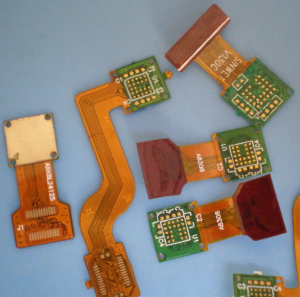
Ultra-thin biocompatible rigid-flex technology has revolutionized the field of subdermal micro-diagnostic patches, offering a range of advantages that make them an ideal choice for medical applications. These patches are designed to be worn on the skin, allowing for continuous monitoring of various physiological parameters without the need for invasive procedures. In this article, we will explore the key advantages of using ultra-thin biocompatible rigid-flex in subdermal micro-diagnostic patches.
One of the primary advantages of ultra-thin biocompatible rigid-flex technology is its flexibility.
These patches are made from materials that can bend and conform to the contours of the body, making them comfortable to wear for extended periods of time.
This flexibility allows for a more secure fit, ensuring that the patch stays in place even during physical activity.
In addition to their flexibility, ultra-thin biocompatible rigid-flex patches are also extremely thin. This slim profile makes them less noticeable when worn on the skin, allowing patients to go about their daily activities without feeling self-conscious. The thinness of these patches also reduces the risk of irritation or discomfort, making them suitable for long-term use.
Another key advantage of ultra-thin biocompatible rigid-flex technology is its biocompatibility.
These patches are made from materials that are safe for use on the skin, reducing the risk of allergic reactions or other adverse effects.
This biocompatibility makes them suitable for a wide range of patients, including those with sensitive skin or allergies to certain materials.
Furthermore, ultra-thin biocompatible rigid-flex patches are highly durable.
The materials used in these patches are resistant to wear and tear, ensuring that they can withstand the rigors of daily wear.
This durability makes them ideal for long-term monitoring applications, allowing patients to wear them for extended periods without needing frequent replacements.
In addition to their durability, ultra-thin biocompatible rigid-flex patches are also waterproof.
This feature allows patients to wear them while showering or swimming, without having to worry about damaging the patch.
The waterproof nature of these patches also makes them suitable for use in a variety of environments, including humid or wet conditions.
Moreover, ultra-thin biocompatible rigid-flex patches are easy to integrate with electronic components.
The flexible nature of these patches allows for the seamless integration of sensors, microchips, and other electronic components, enabling real-time monitoring of various physiological parameters. This integration capability makes these patches highly versatile, allowing for a wide range of diagnostic applications.
Overall, the advantages of using ultra-thin biocompatible rigid-flex technology in subdermal micro-diagnostic patches are clear.
From their flexibility and thinness to their biocompatibility and durability, these patches offer a range of benefits that make them an ideal choice for medical applications. With their ability to provide continuous monitoring of physiological parameters in a comfortable and unobtrusive manner, ultra-thin biocompatible rigid-flex patches are poised to revolutionize the field of medical diagnostics.