
Benefits of Using Rigid-Flex PCBs in Wearable Technology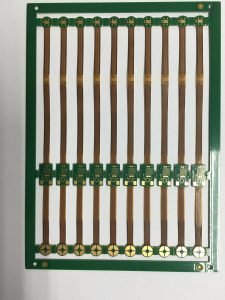
In the fast-paced world of technology, wearable devices have become increasingly popular for their convenience and functionality.
From fitness trackers to smartwatches, these devices have revolutionized the way we interact with technology on a daily basis.
One key component that has enabled the development of these devices is the use of rigid-flex PCBs, or printed circuit boards.
Rigid-flex PCBs are a hybrid of traditional rigid PCBs and flexible PCBs, combining the best of both worlds to create a versatile and reliable solution for wearable technology.
These boards are made up of multiple layers of rigid and flexible materials, allowing them to bend and flex without compromising their structural integrity.
This flexibility is crucial for wearable devices, as they need to be able to conform to the shape of the body while still maintaining a high level of performance.
One of the main benefits of using rigid-flex PCBs in wearable technology is their durability.
Traditional rigid PCBs are prone to damage from bending and flexing, which can lead to malfunctions and ultimately the failure of the device.
Rigid-flex PCBs, on the other hand, are designed to withstand the rigors of everyday use, making them ideal for wearable devices that are constantly in motion.
Another advantage of using rigid-flex PCBs in wearable technology is their compact size.
These boards can be designed to fit into tight spaces and odd shapes, allowing for more creative and innovative designs.
This is especially important for wearable devices, which need to be lightweight and unobtrusive in order to be comfortable for the user.
In addition to their durability and compact size, rigid-flex PCBs also offer improved signal integrity and reliability.
The flexible portions of the board can act as shock absorbers, reducing the risk of signal interference and ensuring a consistent and reliable connection.
This is crucial for wearable devices that rely on wireless communication and sensors to function properly.
Furthermore, rigid-flex PCBs are also more cost-effective in the long run.
While the initial manufacturing costs may be higher than traditional PCBs, the durability and reliability of rigid-flex PCBs can help to reduce maintenance and replacement costs over time.
This makes them a smart investment for companies looking to develop high-quality wearable technology that will stand the test of time.
Overall, the use of rigid-flex PCBs in wearable technology offers a wide range of benefits, from improved durability and reliability to compact size and cost-effectiveness.
These boards are the backbone of next-gen wearable technology, enabling companies to create innovative and cutting-edge devices that push the boundaries of what is possible.
As technology continues to evolve, rigid-flex PCBs will play an increasingly important role in shaping the future of wearable devices and revolutionizing the way we interact with technology on a daily basis.