
How Rigid-Flex PCBs are Shaping the Future of Smart Cities
How Rigid-Flex PCBs are Shaping the Future of Smart Cities
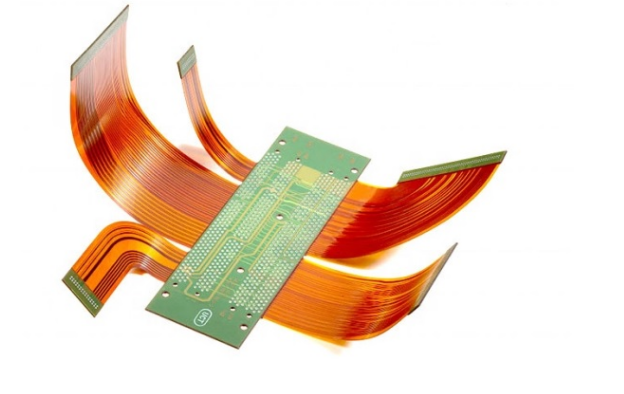
Smart cities are the epitome of urban innovation, leveraging technology to improve the quality of life for residents, optimize resource management, and reduce environmental impact. At the heart of this transformation are rigid-flex printed circuit boards (PCBs), which enable the seamless integration of sensors, communication modules, and processing units into the infrastructure of smart cities. These hybrid circuits, which combine the durability of rigid boards with the flexibility of flexible circuits, are playing a pivotal role in shaping the future of urban living.
Enabling Smart Infrastructure
Rigid-flex PCBs are integral to the development of smart infrastructure, which forms the backbone of smart cities. For example, in smart streetlights, rigid-flex PCBs integrate sensors, processors, and wireless communication modules to enable adaptive lighting systems. These systems can adjust brightness based on real-time data, such as traffic flow and weather conditions, reducing energy consumption and improving safety. The compact and durable design of rigid-flex PCBs ensures that these systems can withstand harsh outdoor environments, such as extreme temperatures and moisture.
Similarly, in smart traffic management systems, rigid-flex PCBs are used to connect sensors, cameras, and control units. These systems collect and analyze data on traffic patterns, enabling real-time adjustments to traffic signals and reducing congestion. The flexibility of rigid-flex PCBs allows for innovative designs, such as curved or foldable installations, which are essential for integrating technology into existing urban infrastructure.
Enhancing Energy Efficiency
Energy efficiency is a key goal of smart cities, and rigid-flex PCBs are playing a crucial role in achieving this objective. In smart grids, rigid-flex PCBs enable the integration of sensors and communication modules that monitor and control energy distribution. These systems can detect fluctuations in energy demand and adjust supply accordingly, reducing waste and improving reliability. The durability of rigid-flex PCBs ensures that these systems can operate reliably in challenging environments, such as underground utility tunnels.
Rigid-flex PCBs are also used in renewable energy systems, such as solar panels and wind turbines. In solar panels, rigid-flex PCBs connect sensors and inverters, enabling real-time monitoring of energy production and system performance. This data can be used to optimize the placement and operation of solar panels, maximizing energy output. Similarly, in wind turbines, rigid-flex PCBs enable the integration of sensors that monitor wind speed and turbine performance, ensuring efficient operation and reducing maintenance costs.
Improving Public Safety
Public safety is a top priority in smart cities, and rigid-flex PCBs are enabling the development of advanced safety systems. For example, in surveillance cameras, rigid-flex PCBs integrate high-resolution sensors, processors, and wireless communication modules, enabling real-time video monitoring and analysis. These systems can detect and respond to security threats, such as unauthorized access or suspicious activity, improving the safety of public spaces.
In emergency response systems, rigid-flex PCBs are used to connect sensors, communication modules, and control units. These systems can detect emergencies, such as fires or floods, and automatically alert emergency services. The compact and durable design of rigid-flex PCBs ensures that these systems can operate reliably in critical situations, providing timely and accurate information to first responders.
Supporting Environmental Monitoring
Environmental monitoring is another key application of rigid-flex PCBs in smart cities. In air quality monitoring systems, rigid-flex PCBs integrate sensors that measure pollutants, such as carbon monoxide and particulate matter. These systems provide real-time data on air quality, enabling city officials to take proactive measures to reduce pollution and protect public health.
Similarly, in water management systems, rigid-flex PCBs are used to connect sensors that monitor water quality and usage. These systems can detect leaks and contamination, enabling timely repairs and reducing water waste. The flexibility of rigid-flex PCBs allows for the integration of these sensors into complex and compact designs, such as underground pipelines and water treatment plants.
Driving Innovation in Urban Mobility
Urban mobility is a critical component of smart cities, and rigid-flex PCBs are enabling the development of innovative transportation solutions. In autonomous vehicles, rigid-flex PCBs integrate sensors, processors, and communication modules, enabling real-time navigation and decision-making. These systems can detect and respond to obstacles, ensuring safe and efficient operation in urban environments.
In public transportation systems, rigid-flex PCBs are used to connect sensors and communication modules that monitor vehicle performance and passenger flow. These systems can optimize routes and schedules, reducing wait times and improving the overall efficiency of public transportation. The durability of rigid-flex PCBs ensures that these systems can operate reliably in the demanding conditions of urban transit.
Conclusion
Rigid-flex PCBs are playing a transformative role in shaping the future of smart cities. By enabling the seamless integration of sensors, communication modules, and processing units into urban infrastructure, these hybrid circuits are driving innovation in energy efficiency, public safety, environmental monitoring, and urban mobility. As smart cities continue to evolve, the demand for reliable, compact, and high-performance rigid-flex PCBs will only grow, ensuring that urban environments remain connected, efficient, and sustainable.