
Multilayer Capabilities: Rigid flex PCBs can support multilayer designs, allowing for complex
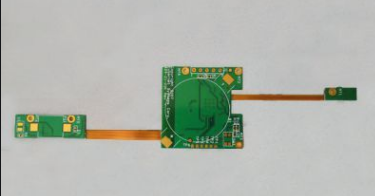
As smart devices continue to evolve, becoming more compact and powerful, the challenge of managing heat generation has become increasingly critical. Thermal management is a key consideration in the design of printed circuit boards (PCBs), as excessive heat can lead to reduced performance, component failure, and even safety hazards.
Modern PCBs are being engineered with advanced thermal management techniques to ensure efficient heat dissipation, thereby improving the reliability and longevity of smart devices.
One of the primary methods for enhancing thermal management in PCBs is the use of materials with high thermal conductivity.
Traditional PCB substrates, such as FR-4, have limited thermal conductivity, which can lead to heat buildup.
To address this, designers are increasingly turning to alternative materials like metal-core PCBs (MCPCBs) or ceramics.
These materials provide superior heat transfer, allowing heat to dissipate more effectively from high-power components such as processors, power amplifiers, and LEDs.
Another approach involves the strategic placement of thermal vias, which are small holes drilled into the PCB and filled with conductive material.
These vias create pathways for heat to travel from the surface of the board to inner layers or heat sinks, where it can be dispersed more efficiently.
By optimizing the number, size, and location of thermal vias, designers can significantly improve the thermal performance of the PCB.
In addition to material selection and via placement, the layout of the PCB plays a crucial role in thermal management.
Proper component placement ensures that heat-generating elements are distributed evenly across the board, preventing localized hotspots.
Designers also incorporate heat sinks, thermal pads, and fans into the PCB design to further enhance heat dissipation.
Advanced simulation tools are now widely used to model and predict thermal behavior during the design phase.
These tools allow engineers to identify potential thermal issues and optimize the PCB layout before manufacturing, reducing the risk of overheating in the final product.
In conclusion, effective thermal management in PCBs is essential for the performance and reliability of modern smart devices.
By leveraging advanced materials, innovative design techniques, and simulation tools, engineers can create PCBs that dissipate heat efficiently, ensuring that devices remain cool, functional, and safe for users.
As technology continues to advance, the importance of thermal management in PCB design will only grow, driving further innovation in this critical field.