
The Impact of Rigid-Flex PCB Technology on Telemedicine
Telemedicine, the practice of providing medical care remotely through the use of technology, has seen a significant rise in popularity in recent years.
This is largely due to advancements in technology, particularly in the field of rigid-flex PCB technology.
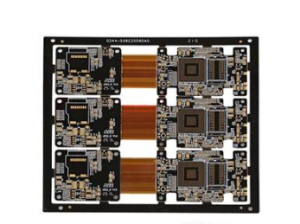
Rigid-flex PCBs, or printed circuit boards, are a type of PCB that combines both rigid and flexible board materials into a single unit.
This technology has revolutionized the way medical devices are designed and manufactured, making them smaller, lighter, and more durable than ever before.
One of the key advantages of rigid-flex PCB technology in telemedicine is its ability to enable the development of smaller and more portable medical devices.
Traditional PCBs are limited by their rigid nature, which can make it difficult to fit them into small or irregularly shaped spaces.
Rigid-flex PCBs, on the other hand, can be bent or folded to fit into tight spaces, allowing for the creation of compact and lightweight medical devices that can be easily transported and used in a variety of settings.
In addition to their compact size, rigid-flex PCBs also offer improved durability and reliability compared to traditional PCBs.
The flexible nature of these boards allows them to withstand bending, twisting, and other forms of mechanical stress without compromising their functionality.
This makes them ideal for use in telemedicine applications, where devices may be subjected to rough handling or frequent movement.
Furthermore, rigid-flex PCB technology enables the integration of multiple functions into a single device, reducing the need for separate components and simplifying the overall design.
This not only saves space and reduces weight but also improves the efficiency and performance of the device.
For example, a telemedicine device that incorporates sensors, processors, and communication modules on a single rigid-flex PCB can provide real-time monitoring and data transmission capabilities in a compact and user-friendly package.
Another key benefit of rigid-flex PCB technology in telemedicine is its ability to support wireless communication and connectivity.
With the increasing reliance on telemedicine for remote patient monitoring and consultation, the ability to transmit data wirelessly is essential.
Rigid-flex PCBs can be designed to incorporate wireless communication modules, such as Bluetooth or Wi-Fi, allowing for seamless connectivity between medical devices and external systems.
This enables healthcare providers to remotely monitor patients, collect data, and make informed decisions in real-time, improving the quality of care and patient outcomes.
Looking ahead, the future of rigid-flex PCB technology in telemedicine looks promising.
As technology continues to advance, we can expect to see even smaller, more powerful, and more versatile medical devices that leverage the benefits of rigid-flex PCB technology.
These devices will enable healthcare providers to deliver high-quality care to patients in remote or underserved areas, improving access to healthcare and reducing the burden on traditional healthcare systems.
In conclusion, rigid-flex PCB technology has had a significant impact on telemedicine, enabling the development of smaller, more durable, and more efficient medical devices.
With its ability to support wireless communication, integrate multiple functions, and improve portability, rigid-flex PCB technology is poised to play a key role in the future of telemedicine.
As technology continues to evolve, we can expect to see even more innovative applications of rigid-flex PCB technology in telemedicine, ultimately improving the quality of care and expanding access to healthcare for patients around the world.