
Benefits of Using Rigid-Flex PCBs in Medical Devices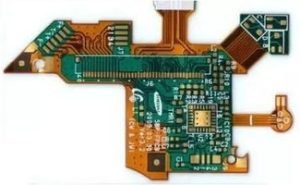
In the rapidly evolving field of medical technology, the demand for smaller, lighter, and more reliable devices is constantly increasing.
As a result, the use of rigid-flex printed circuit boards (PCBs) has become increasingly popular in the design and manufacturing of next-generation medical equipment.
Rigid-flex PCBs offer a number of benefits that make them ideal for use in medical devices, including improved reliability, reduced size and weight, and increased flexibility in design.
One of the key benefits of using rigid-flex PCBs in medical devices is their improved reliability.
Traditional PCBs are made up of multiple layers of rigid material connected by flexible cables, which can be prone to failure due to the stress placed on the connections.
Rigid-flex PCBs, on the other hand, are made up of a single, continuous piece of material that is both rigid and flexible, reducing the number of potential failure points and increasing the overall reliability of the device.
In addition to improved reliability, rigid-flex PCBs also offer significant size and weight savings compared to traditional PCBs.
By combining the rigid and flexible components into a single, integrated design, manufacturers are able to create smaller and lighter devices that are easier to handle and more comfortable for patients to use.
This is particularly important in the medical field, where space is often at a premium and devices need to be as compact as possible.
Furthermore, the use of rigid-flex PCBs in medical devices allows for increased flexibility in design.
Because rigid-flex PCBs can be bent and shaped to fit into tight spaces, manufacturers have more freedom to design devices that are tailored to the specific needs of their users.
This flexibility in design can lead to more innovative and effective medical devices that are better able to meet the needs of patients and healthcare providers.
Overall, the benefits of using rigid-flex PCBs in medical devices are clear.
These advanced circuit boards offer improved reliability, reduced size and weight, and increased flexibility in design, making them an ideal choice for next-generation medical equipment.
As the field of medical technology continues to advance, the use of rigid-flex PCBs is likely to become even more widespread, helping to drive innovation and improve patient outcomes.
In conclusion, the role of rigid-flex PCBs in next-generation medical equipment is crucial.
These advanced circuit boards offer a number of benefits that make them ideal for use in medical devices, including improved reliability, reduced size and weight, and increased flexibility in design.
As the demand for smaller, lighter, and more reliable medical devices continues to grow, the use of rigid-flex PCBs is likely to become increasingly common, driving innovation and improving patient outcomes in the process.