
Benefits of Implementing Quality Assurance in Rigid Flex PCB Production for IoT Applications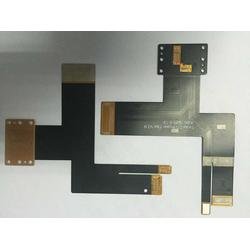
Quality assurance is a critical aspect of any manufacturing process, especially when it comes to producing rigid flex PCBs for IoT applications.
These complex circuit boards play a crucial role in the functionality of IoT devices, and any defects or errors in their production can have serious consequences.
Implementing quality assurance measures in the production of rigid flex PCBs can help ensure that these components meet the highest standards of quality and reliability.
One of the key benefits of implementing quality assurance in rigid flex PCB production is the ability to identify and correct defects early in the manufacturing process.
By conducting thorough inspections and tests at each stage of production, manufacturers can catch any issues before they escalate into larger problems.
This not only helps to prevent costly rework and scrap, but also ensures that the final product meets the specifications and requirements of the customer.
In addition to preventing defects, quality assurance in rigid flex PCB production can also help to improve overall product quality.
By implementing strict quality control measures, manufacturers can ensure that each component meets the highest standards of performance and reliability.
This can help to enhance the overall functionality of IoT devices and improve customer satisfaction.
Another benefit of quality assurance in rigid flex PCB production is the ability to reduce the risk of product failures and recalls.
By thoroughly testing and inspecting each component before it is assembled into the final product, manufacturers can identify any potential issues that could lead to product failures.
This can help to prevent costly recalls and warranty claims, as well as protect the reputation of the company.
Furthermore, implementing quality assurance in rigid flex PCB production can help to streamline the manufacturing process and improve efficiency.
By identifying and addressing any issues early on, manufacturers can reduce the amount of rework and scrap that is generated during production.
This can help to lower production costs and improve overall profitability.
Overall, quality assurance is essential in the production of rigid flex PCBs for IoT applications.
By implementing strict quality control measures, manufacturers can ensure that each component meets the highest standards of quality and reliability.
This can help to prevent defects, improve product quality, reduce the risk of product failures, and streamline the manufacturing process.
In today’s competitive market, quality assurance is a key factor in ensuring the success of IoT devices and the satisfaction of customers.