
Benefits of Rigid Flex Circuit Boards in Wearable Technology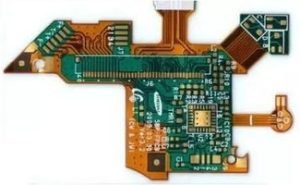
Wearable technology has become increasingly popular in recent years, with devices like smartwatches, fitness trackers, and even smart clothing becoming more common.
These devices rely on advanced electronics to function, and one key component that enables their compact and flexible design is the use of rigid flex circuit boards.
Rigid flex circuit boards are a hybrid of traditional rigid circuit boards and flexible circuit boards, combining the best of both worlds to create a versatile and reliable solution for wearable technology.
These boards are made up of multiple layers of rigid and flexible materials, allowing them to bend and flex without compromising their structural integrity.
This flexibility is crucial for wearable devices, which need to be able to conform to the shape of the body and withstand constant movement.
One of the key benefits of using rigid flex circuit boards in wearable technology is their compact size.
Traditional rigid circuit boards are limited by their flat, inflexible design, which can be bulky and cumbersome when integrated into wearable devices.
Flexible circuit boards, on the other hand, are limited in terms of the number of components they can support and the complexity of the circuits they can accommodate.
Rigid flex circuit boards offer the best of both worlds, allowing for a high degree of customization and integration in a compact and flexible package.
Another benefit of rigid flex circuit boards is their durability. Wearable devices are subjected to a wide range of environmental conditions, from sweat and moisture to physical impact and bending.
Rigid flex circuit boards are designed to withstand these challenges, with materials that are resistant to moisture, temperature fluctuations, and mechanical stress.
This durability ensures that wearable devices can continue to function reliably even in harsh conditions, making them ideal for use in sports and outdoor activities.
In addition to their compact size and durability, rigid flex circuit boards also offer improved signal integrity and reliability.
The flexible nature of these boards allows for tighter routing of traces and components, reducing signal interference and improving overall performance.
This is crucial for wearable devices, which rely on accurate data transmission and processing to provide accurate and timely information to the user.
The reliability of rigid flex circuit boards also ensures that wearable devices can operate consistently over time, without the risk of component failure or malfunction.
Overall, the use of rigid flex circuit boards in wearable technology offers a range of benefits that make them an ideal choice for manufacturers looking to create innovative and reliable devices.
From their compact size and durability to their improved signal integrity and reliability, these boards enable the development of cutting-edge wearable devices that can enhance the user experience and expand the possibilities of the Internet of Things (IoT) space. As wearable technology continues to evolve and become more integrated into our daily lives, rigid flex circuit boards will play a crucial role in enabling the next generation of smart and connected devices.