
Advantages of Using Rigid Flex Circuit Boards in IoT Device Development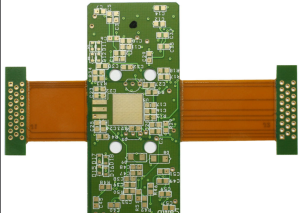
The Internet of Things (IoT) has revolutionized the way we interact with technology, allowing for seamless connectivity between devices and the ability to gather and analyze data in real-time.
As IoT devices become more prevalent in our daily lives, the demand for innovative and reliable circuit boards has increased.
Rigid flex circuit boards have emerged as a popular choice for IoT device development due to their unique design and numerous benefits.
One of the key advantages of using rigid flex circuit boards in IoT device development is their flexibility and durability.
Unlike traditional rigid circuit boards, which are prone to breaking under stress, rigid flex circuit boards are designed to withstand bending and twisting without compromising their functionality.
This flexibility allows for greater design freedom, making it easier to create compact and lightweight IoT devices that can be integrated into a variety of applications.
In addition to their flexibility, rigid flex circuit boards offer improved reliability and performance.
The combination of rigid and flexible materials in these circuit boards results in a more stable and secure connection between components, reducing the risk of signal interference or electrical shorts.
This enhanced reliability is crucial for IoT devices, which often operate in harsh environments or under extreme conditions where traditional circuit boards may fail.
Another benefit of using rigid flex circuit boards in IoT device development is their cost-effectiveness.
While the initial investment in rigid flex circuit boards may be higher than traditional circuit boards, the long-term savings can be significant.
The durability and reliability of rigid flex circuit boards mean that they require less maintenance and replacement, resulting in lower overall costs for manufacturers and end-users.
Furthermore, rigid flex circuit boards offer improved thermal management compared to traditional circuit boards.
The combination of rigid and flexible materials allows for better heat dissipation, reducing the risk of overheating and extending the lifespan of IoT devices.
This is particularly important for IoT devices that rely on high-performance processors or sensors, which can generate a significant amount of heat during operation.
In conclusion, the benefits of using rigid flex circuit boards in IoT device development are clear.
From their flexibility and durability to their reliability and cost-effectiveness, rigid flex circuit boards offer a range of advantages that make them an ideal choice for manufacturers looking to create innovative and reliable IoT devices. As the demand for IoT devices continues to grow, rigid flex circuit boards will play an increasingly important role in shaping the future of technology.